Articles in

Identity & Access Trends

Industry trends in identity, access, and authentication.

Showing 4 posts

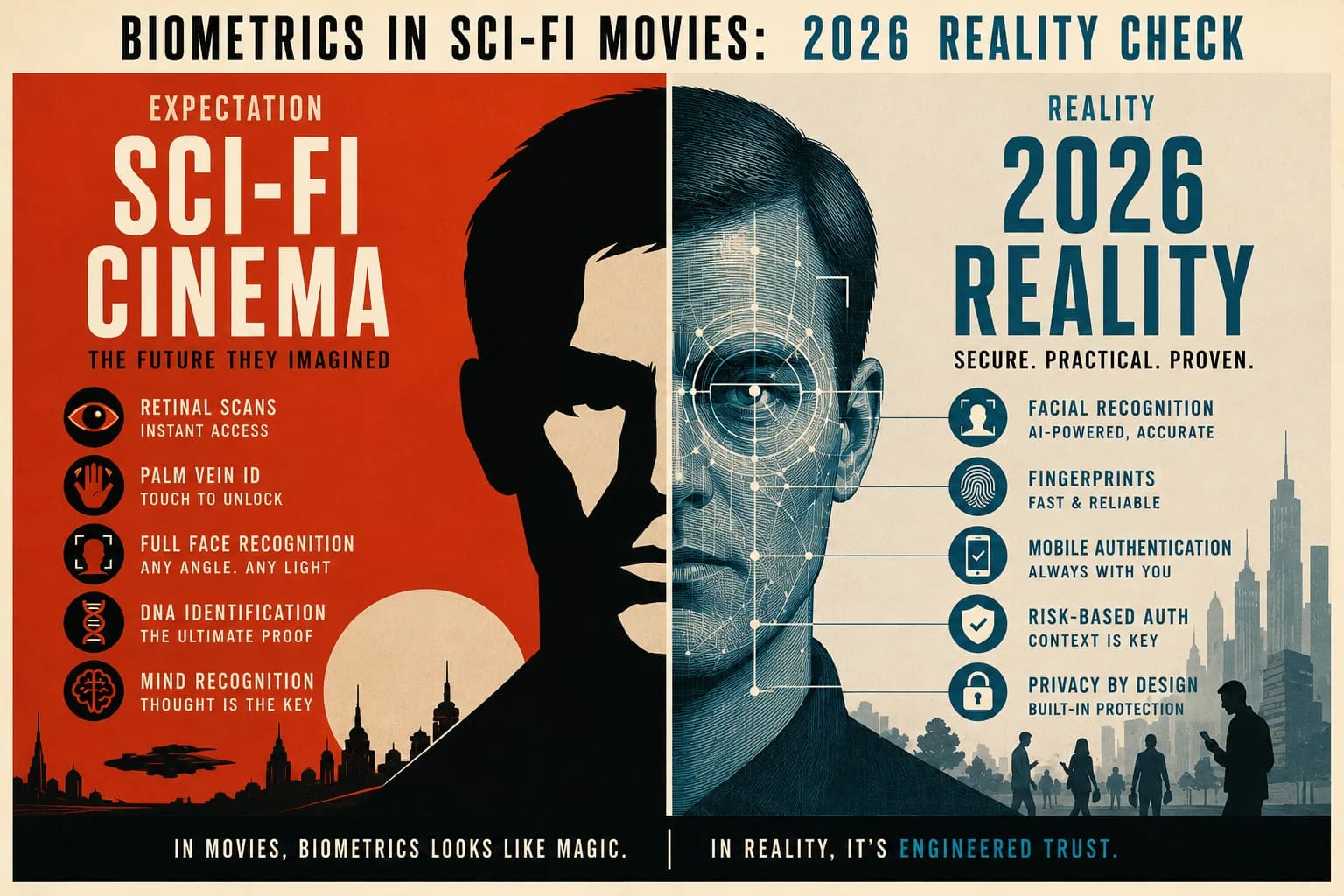
Biometrics in sci-fi movies a 2026 reality check — six decades of cinematic biometric authentication (Minority Report iris scanning, Mission Impossible retinal locks, Gattaca DNA verification, Blade Runner Voigt-Kampff testing, Demolition Man thumbprint cryogenic identity, Her voice-bound ambient identity), what sci-fi got right (ubiquity and seamlessness), what sci-fi got hilariously wrong (the dramatic infrastructure, the absence of cryptographic ceremonies, the lack of consent frameworks), and what workforce biometric authentication actually looks like in 2026 (Touch ID, Face ID, Windows Hello, passkeys, hardware FIDO2 keys, deviceless Identity Challenge Card).
Identity & Access Trends

Biometrics in Sci-Fi Movies: A 2026 Reality Check

For sixty years, sci-fi has been showing us biometric authentication — palm scans, retinal lasers, voice prompts, faces unlocking doors. Now most of us authenticate with biometrics every morning before we've finished our coffee. What did sci-fi get right, what did it get hilariously wrong, and what does workforce biometric authentication actually look like in 2026?

25 juni 2026Brian Winckel
Read more
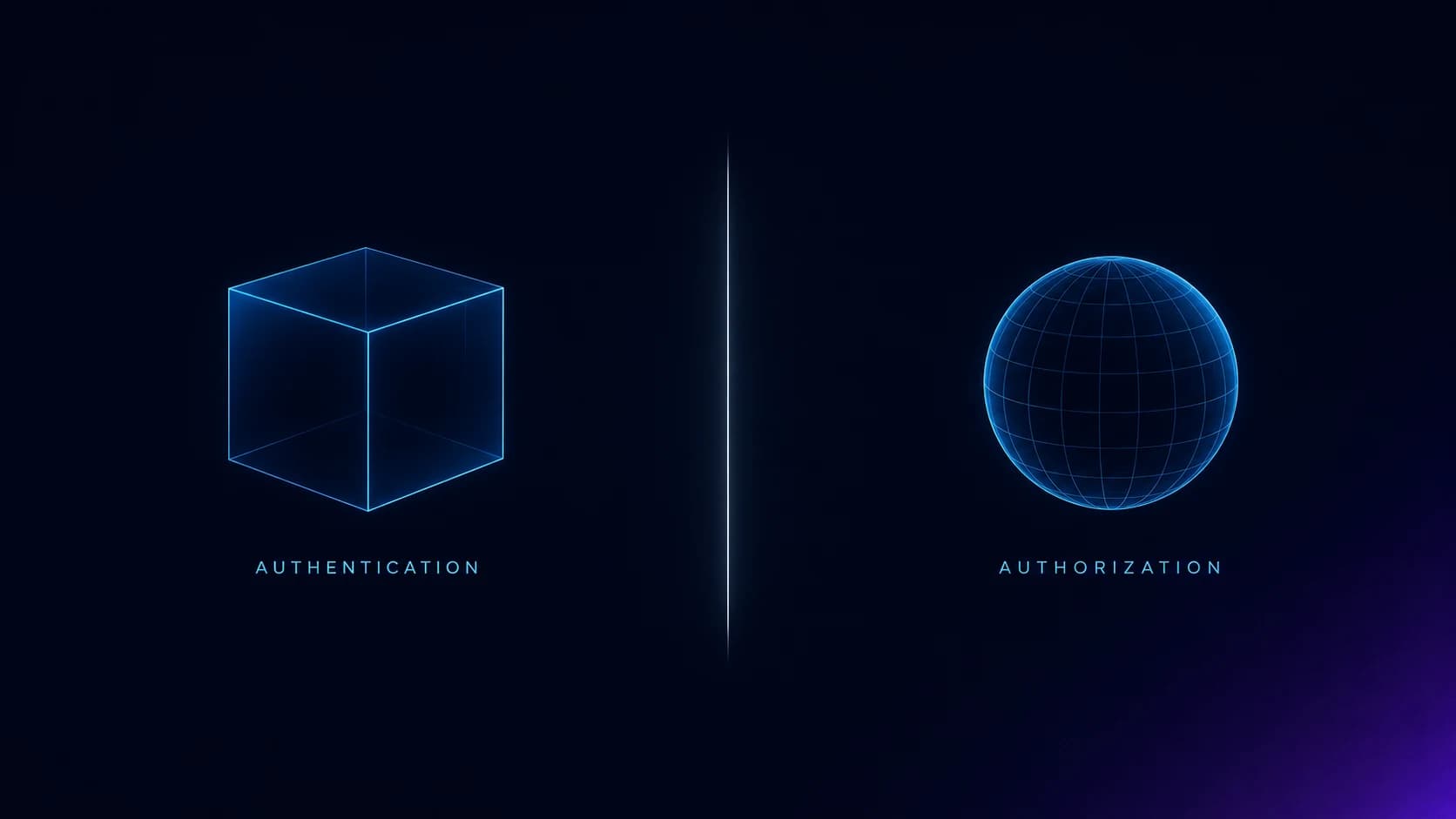
Identity for AI agents and agentic authentication 2026 — the four agentic architectures (user-delegated, autonomous, hybrid orchestrated, scoped impersonation), the protocol stack that authenticates AI agents to enterprise systems (OAuth 2.1, MCP, JWT bearer, agent identity tokens), the delegation chain that preserves user authority through the agent's actions, and the operational guardrails that prevent over-scoped access, token theft, and prompt-injection coercion.
Identity & Access Trends

Identity for AI Agents and Agentic Authentication 2026

AI agents need identities, credentials, and authentication ceremonies of their own — separate from the humans they act on behalf of, separate from the service accounts they're often confused with. The 2026 enterprise reference on the architectures that issue agent identity, the protocols that authenticate them, the delegation chain that keeps user authority intact, and where agentic auth deployments break.

24 juni 2026Leonardo Cuenca
Read more
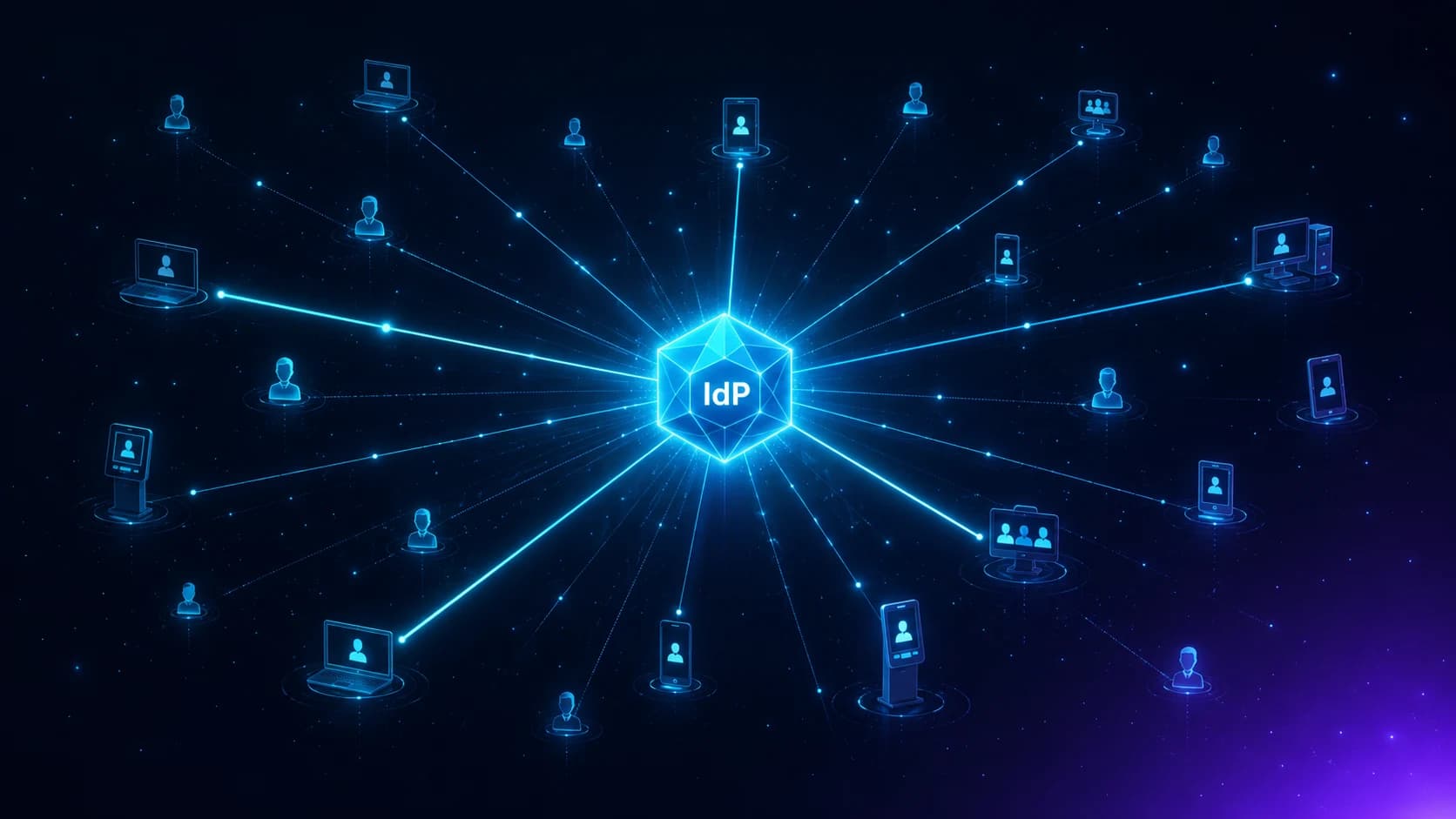
The 2026 enterprise reference on SSO architecture for distributed workforces — remote employees, hybrid schedules, contractor populations, partner organizations, and education-sector users — covering the federation protocols (OIDC, SAML, OAuth, SCIM), where SSO breaks for non-corporate-network users, and the architecture that composes SSO with MFA, lifecycle governance, and recovery workflows.
Identity & Access Trends

SSO Architecture for Distributed Workforces in 2026

Single Sign-On for a distributed workforce — remote employees, hybrid schedules, contractor populations, partner organizations, and education-sector users — isn't the same problem it was when SSO meant SAML inside a corporate intranet. The 2026 reference on what SSO actually solves, where the architectural breakage modes live, and the federation patterns that survive contact with mixed workforces.

18 november 2024Henrique Ferreira
Read more