Multilingual MFA in 34 Languages: Avatier's Identity Challenge Card
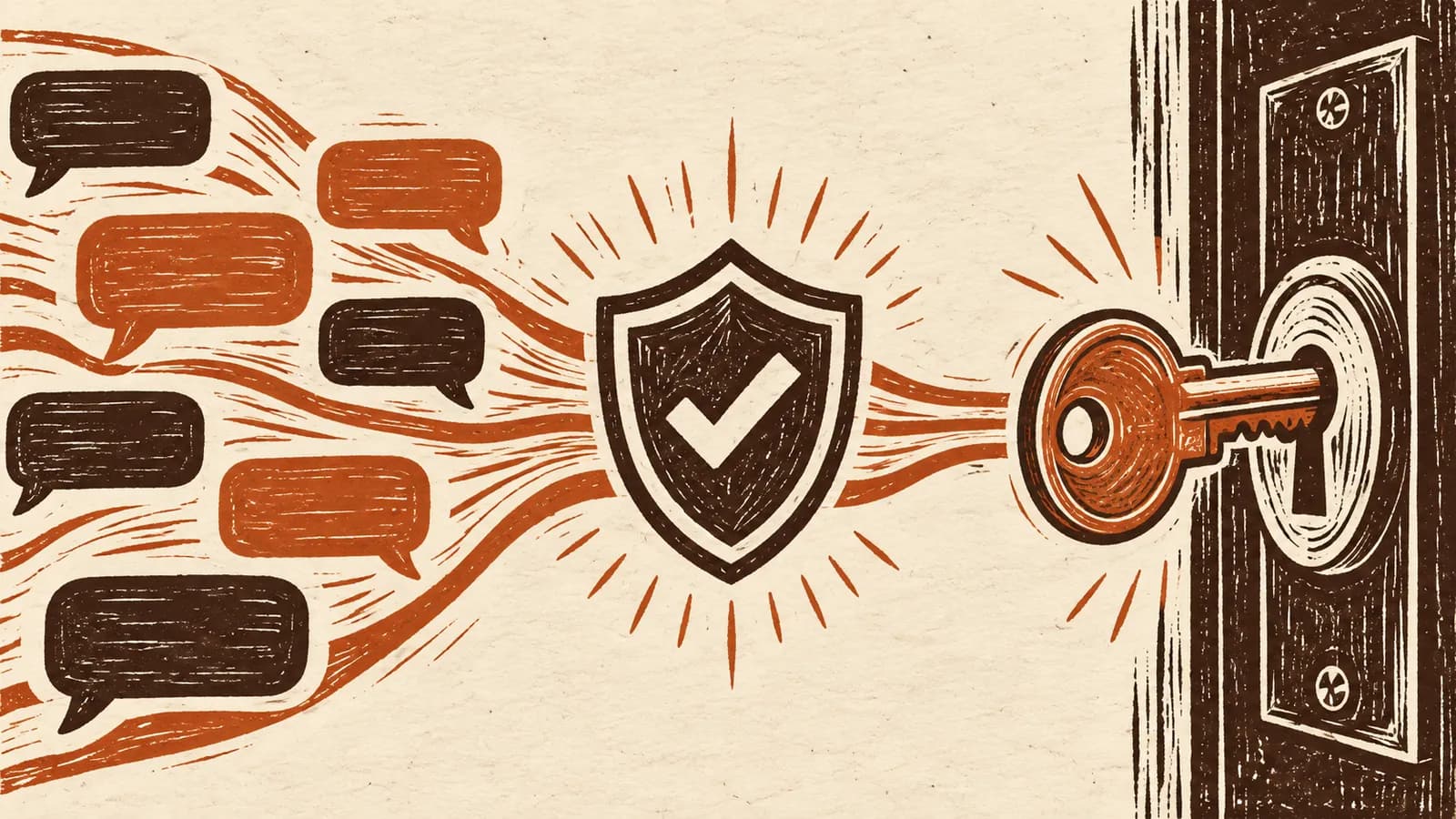
Avatier's Identity Challenge Card ships in 34 languages, including right-to-left Arabic and CJK scripts. Same card, same three-factor flow, localized for every worker.
IT operations leaders cutting password and MFA ticket volume.
Showing 25 posts

Avatier's Identity Challenge Card ships in 34 languages, including right-to-left Arabic and CJK scripts. Same card, same three-factor flow, localized for every worker.

Avatier's Identity Challenge Card can be added to Apple Wallet, Google Wallet or Samsung Wallet, alongside the printed card. When to reach for the wallet card, and when for the printed one.

How Avatier's Identity Challenge Card is issued through one IGA workflow, expires and re-enrolls by policy, and is revoked in seconds and replaced the same day when a card is lost.

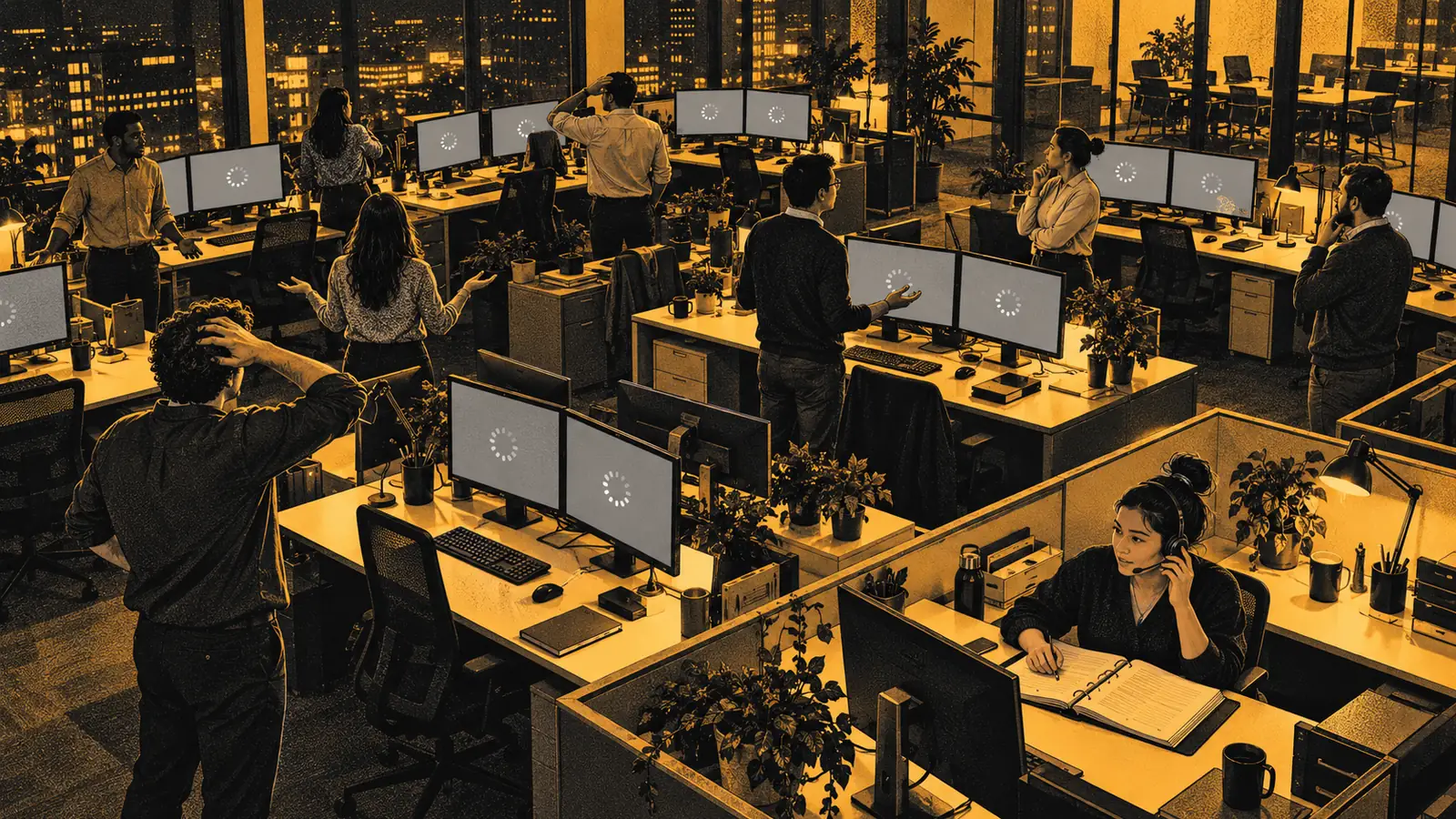
When the identity provider, MFA service or devices go down, people still have to prove who they are. A runbook for verifying, restoring and recording access with Avatier's printed card.

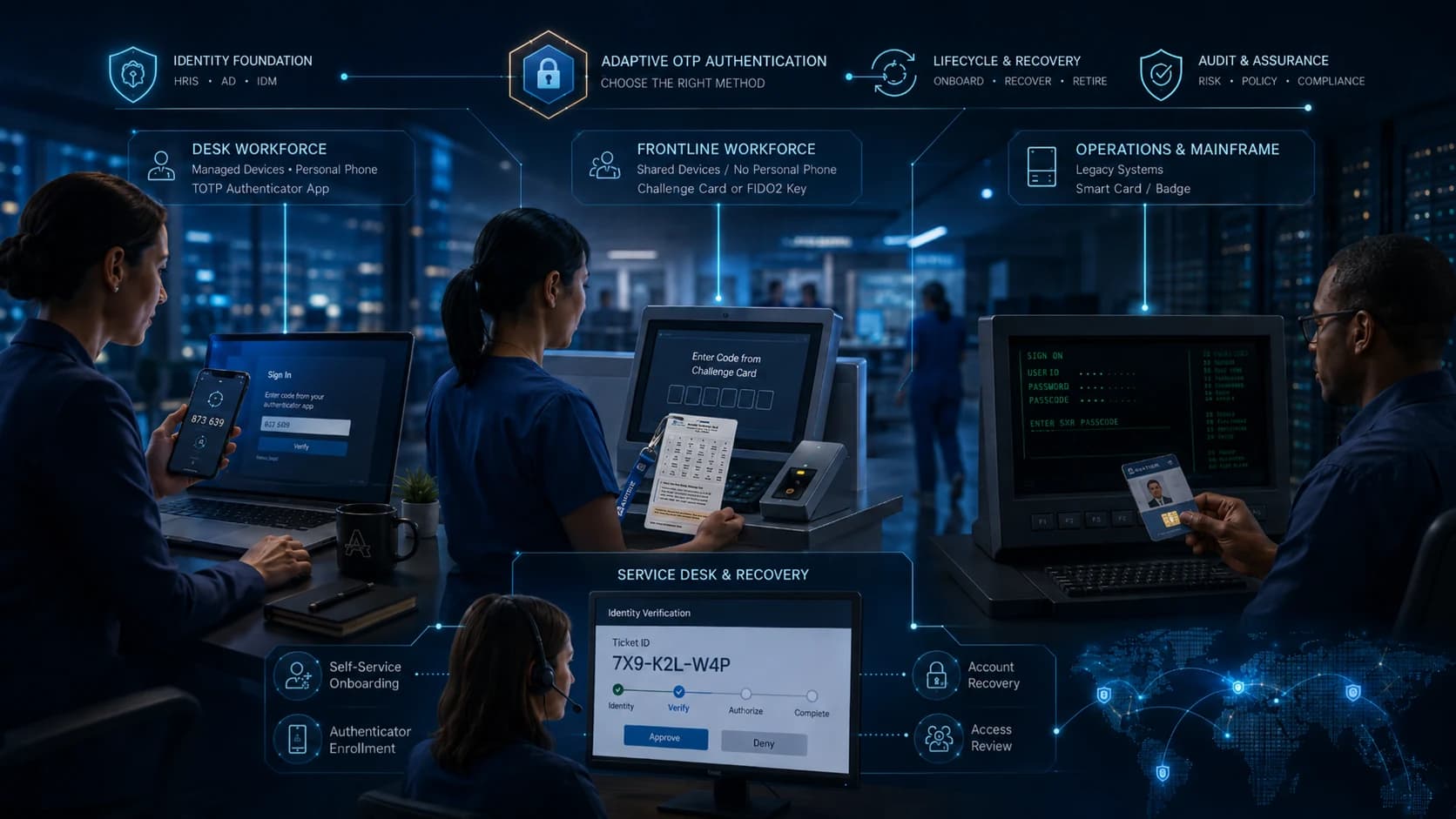
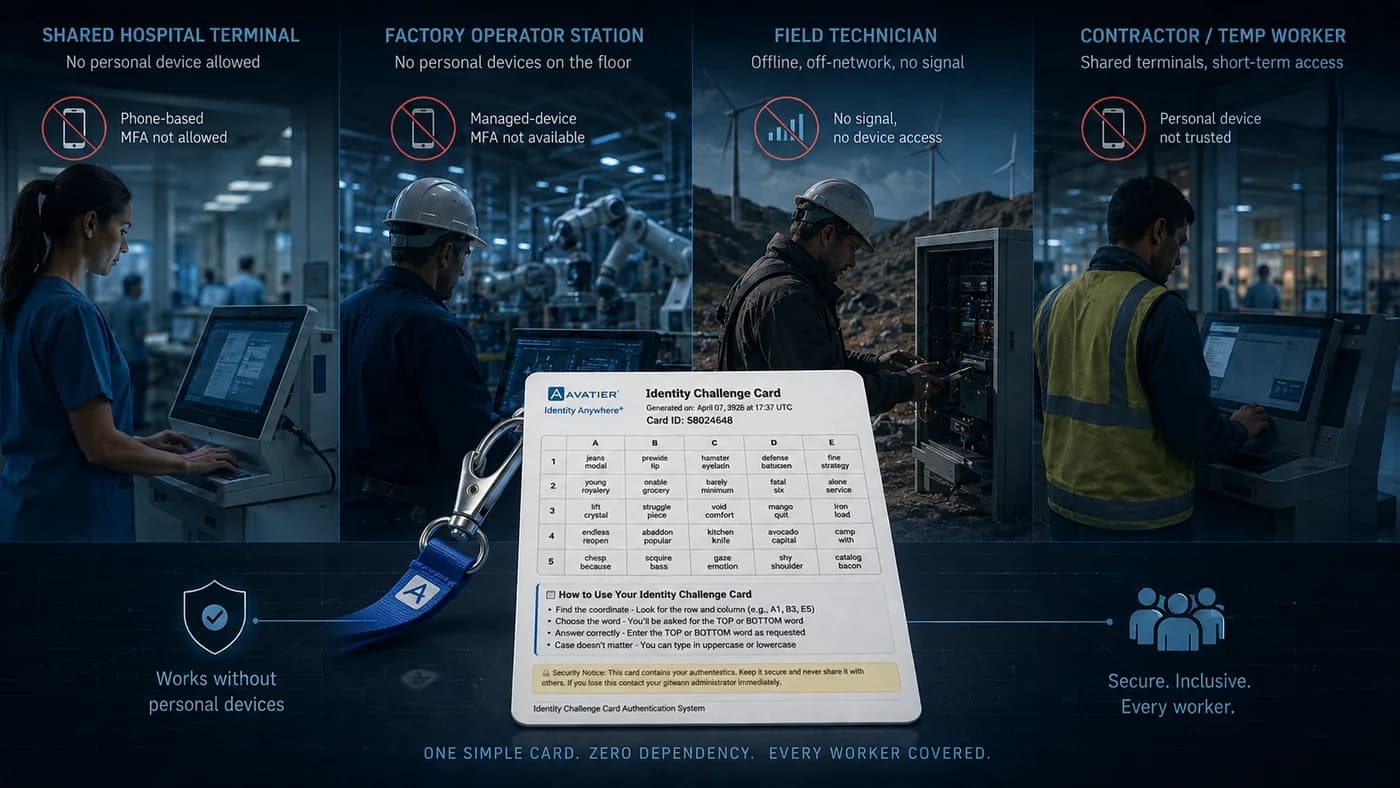
Frontline and shared-device workers can't always use a phone for MFA. How Avatier's Identity Challenge Card gives them a printed factor for login, password reset, and the service desk.

Air-gapped MFA for sites where phones are banned or networks don't reach. How Avatier's printed Identity Challenge Card verifies a worker locally, with no phone, no app and no network.

When an employee asks Copilot, Claude, or Avabot to unlock an account or change access, Avatier runs it through approved capabilities and the customer's existing policies, approvals, and roles, with evidence.

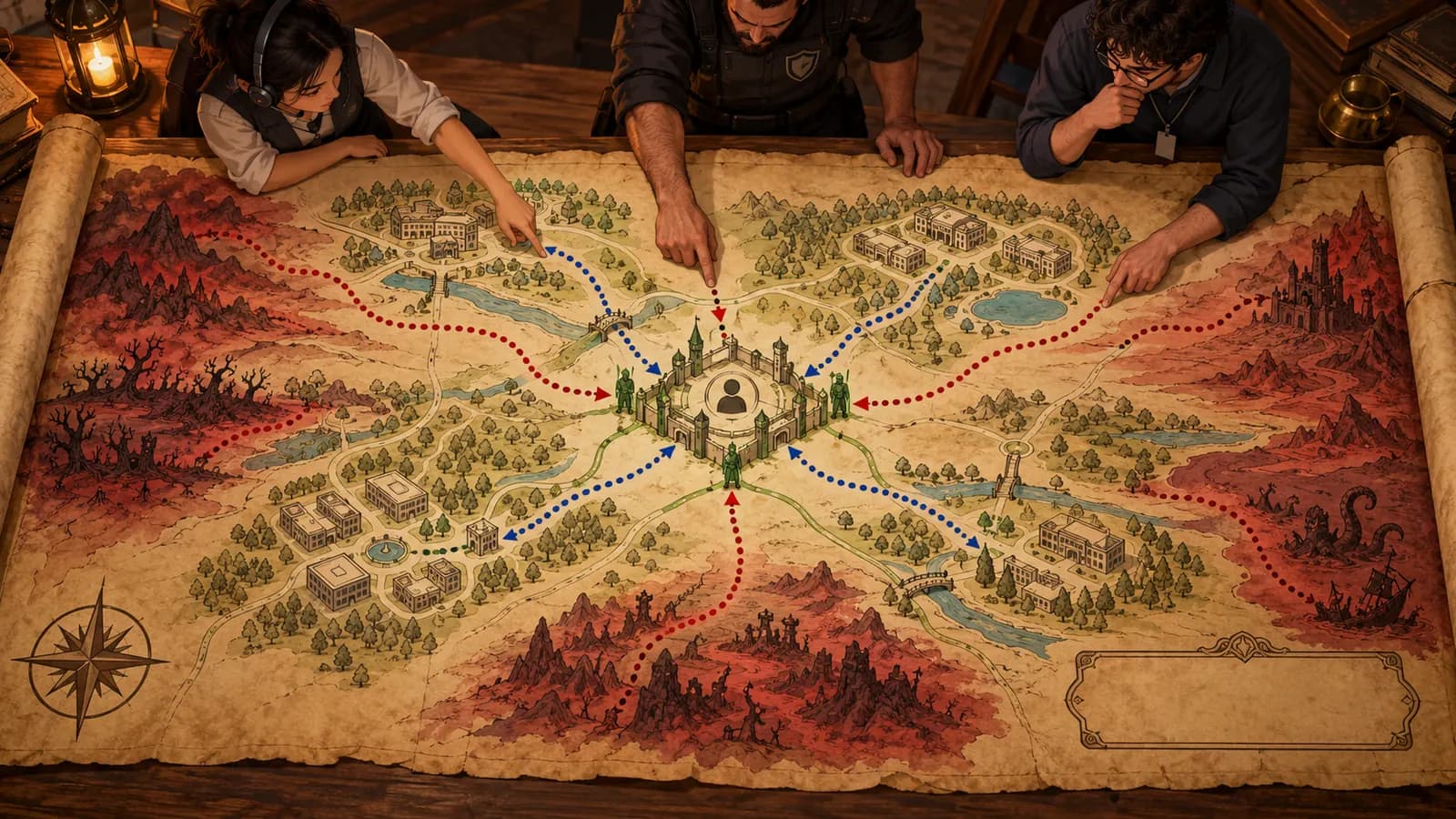
Most breaches are told in vocabulary nobody defines. A Cybersecurity Awareness Month 2026 guide to the nine identity attack vectors, the terms behind them, and what breach letters leave out.

With Avatier, employees reset or unlock their password by asking in Teams, Outlook, Copilot, chat, or voice: MFA-verified, checked by Password Firewall, synchronized, and logged.

AI call center authentication means proving a caller is who they claim before any reset or unlock runs, whether a human agent or AI voice answers. What strong caller verification looks like.

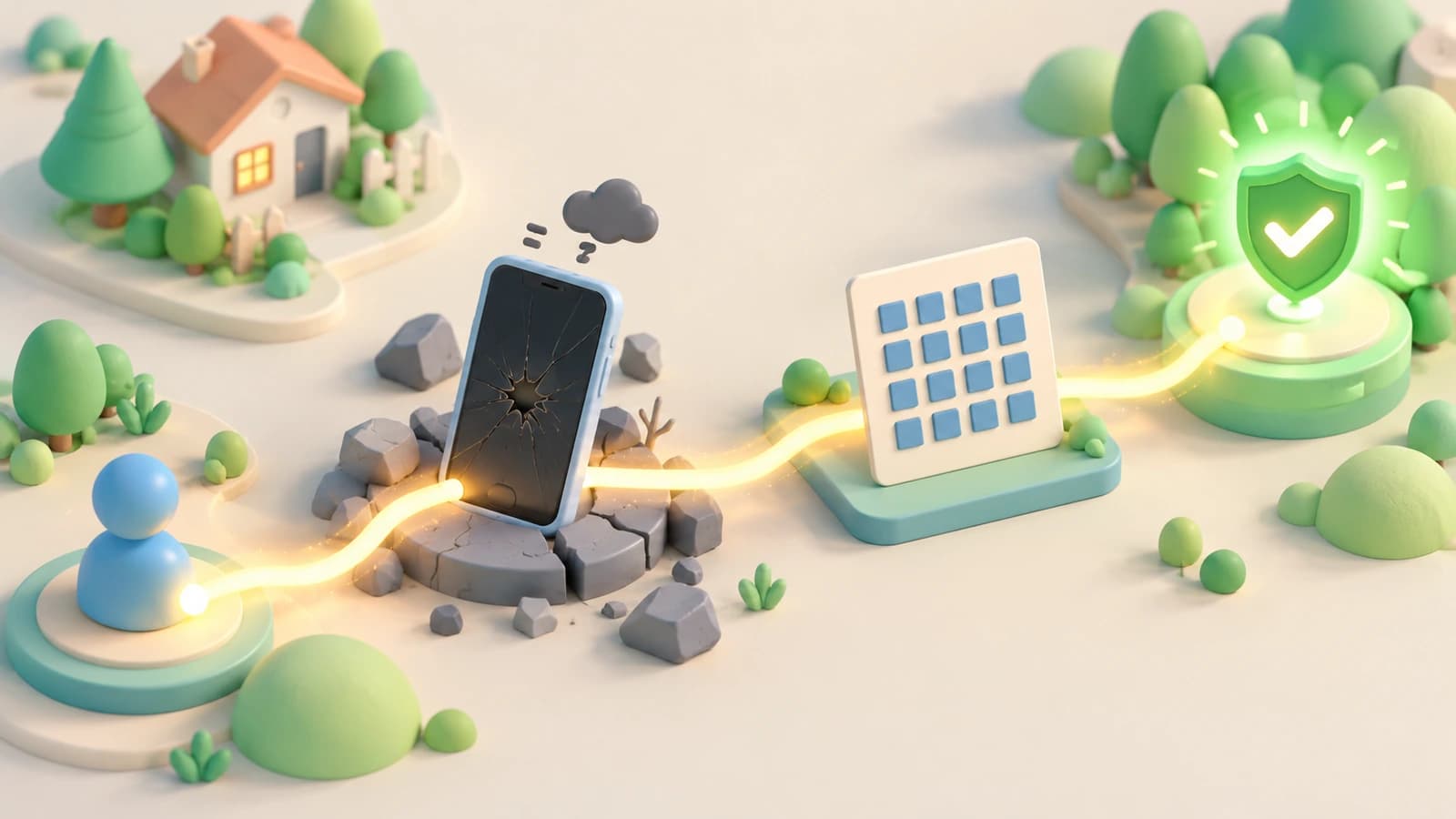
An Identity Continuity Layer keeps authentication working when phones are lost, batteries die, or signal drops. What it is, where device MFA breaks, and how the Identity Challenge Card fills the gap.

With Avatier, employees request access to business apps from a Microsoft Teams chat: verified, checked against policy, routed to the right approver, provisioned, and recorded as evidence.

Conversational identity means unlocks, resets, and access requests completed by conversation in Teams, chat, and voice, under the same policy, approvals, and evidence as the portal.

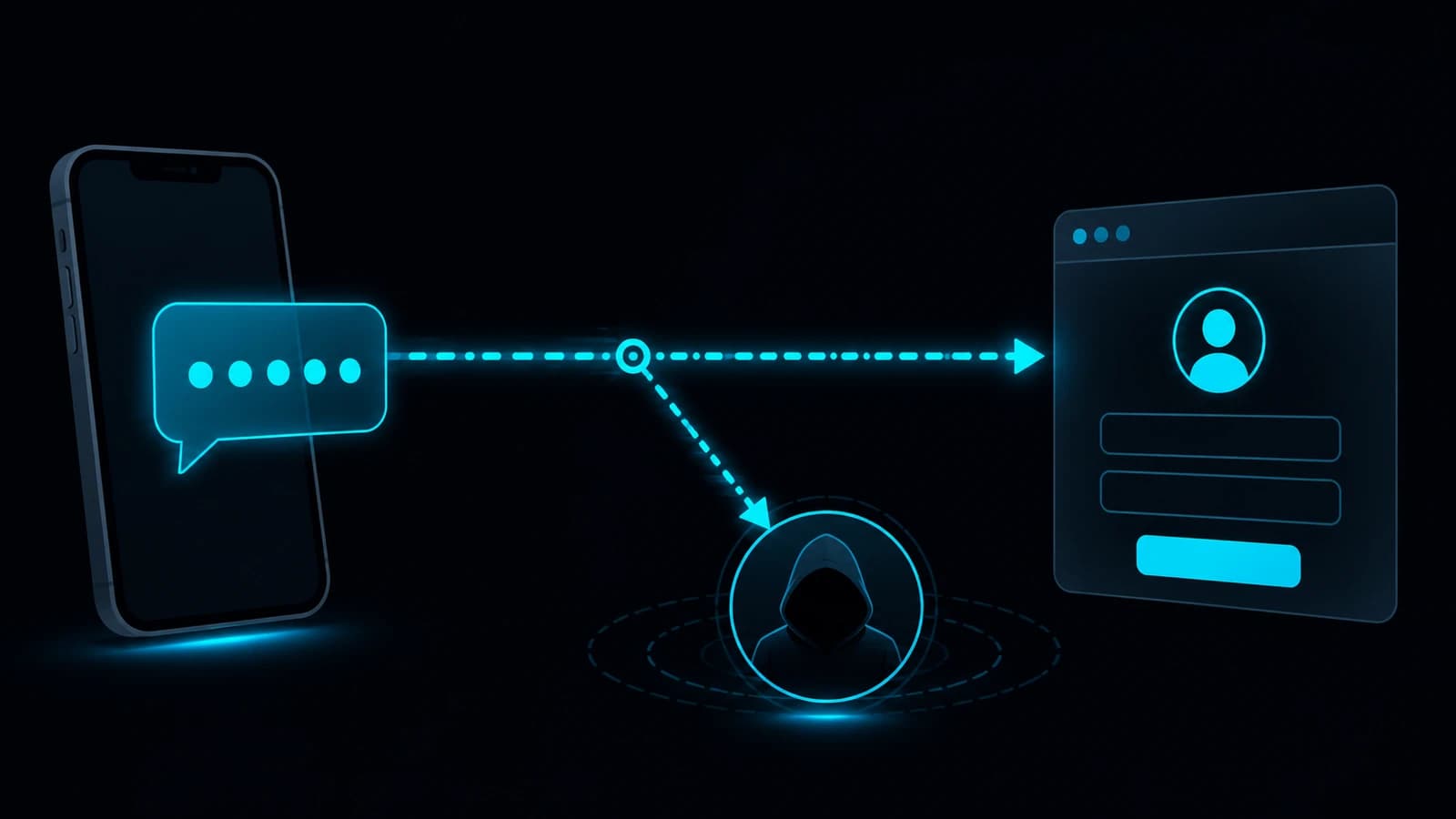
Weak OTP fails at four specific points — SIM swap, real-time phishing relay, SS7 interception, and MFA fatigue — and every one of them is a known, repeatable attacker technique in 2026.

Multi-factor authentication only works when the factors are genuinely different — this 2026 reference clears up what counts as a real factor and what advanced MFA actually means.

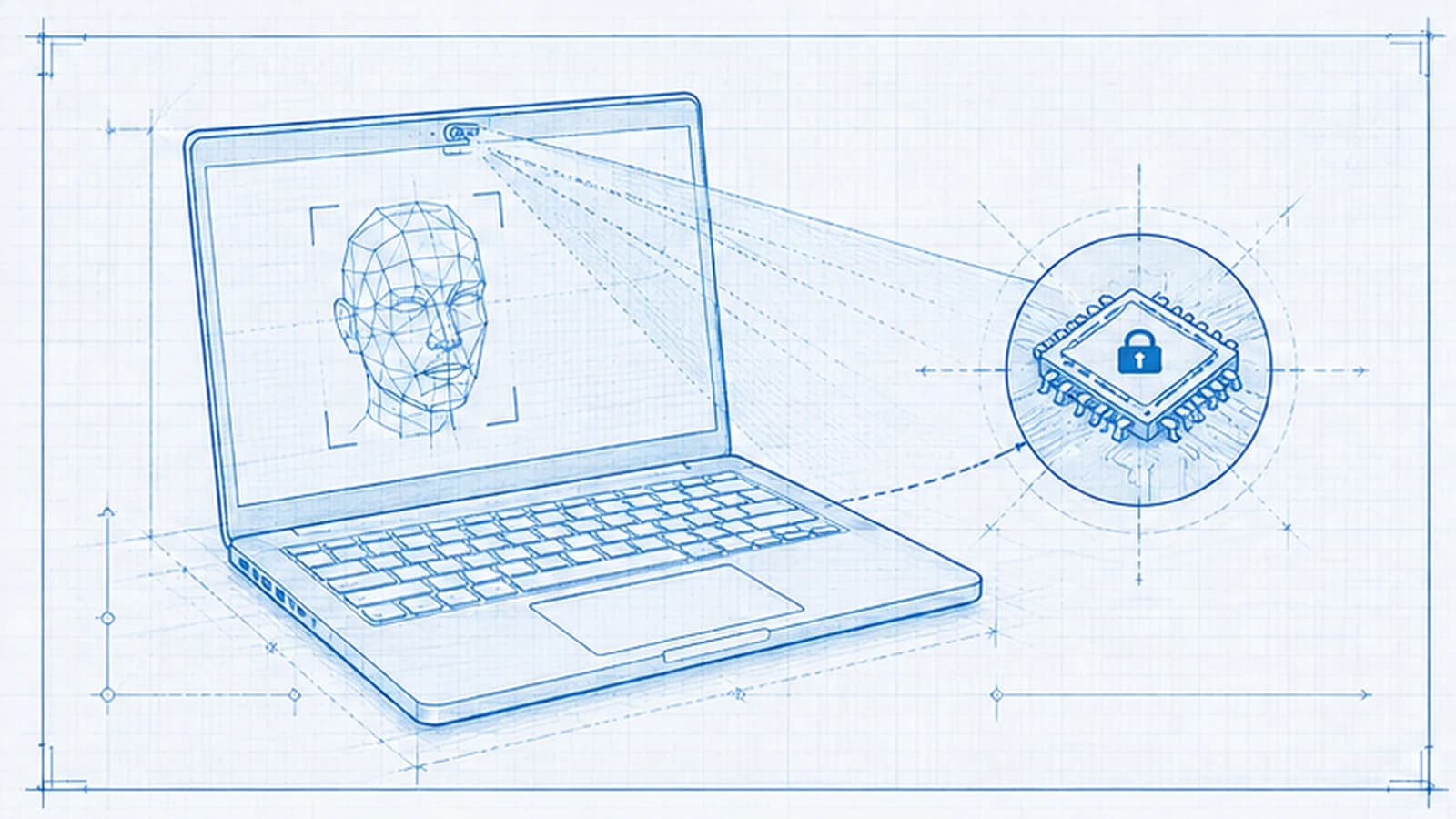
Windows Hello does one thing extremely well — it produces a strong, TPM-bound, biometric or PIN sign-in on the specific Windows device a user enrolled on. The limitations show up the moment authentication needs to leave that device: shared and kiosk workstations, roaming across machines, cross-platform access, and the per-device enrollment burden. The 2026 practitioner reference on how Windows Hello actually works, exactly where its device-bound model falls short, and the FIDO2 and passkey patterns that extend it to the endpoints Hello was never designed to cover.

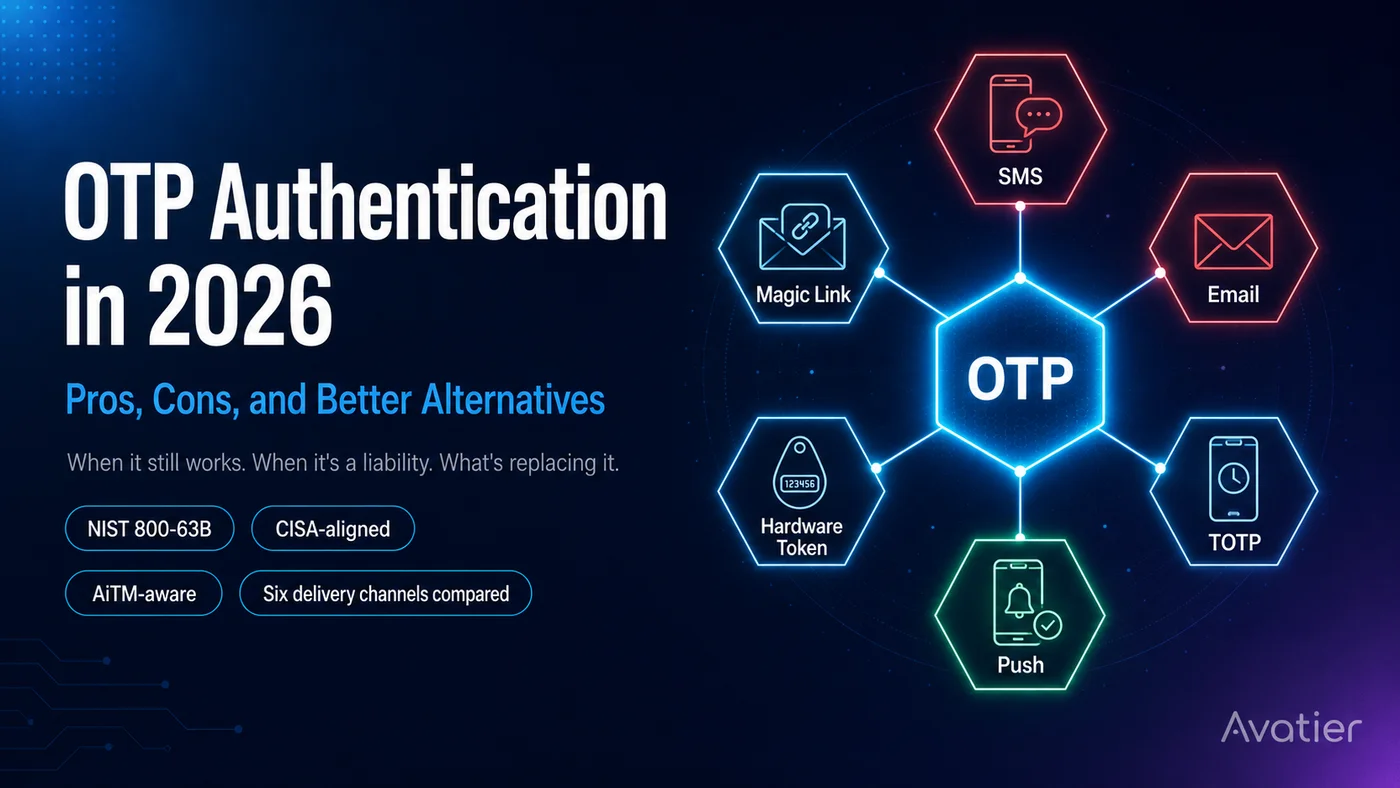
OTP fails less on cryptography than on deliverability, SIM-swap and phishing exposure, UX friction, and compliance. The real challenges of one-time passwords in 2026 — and how to implement OTP well.

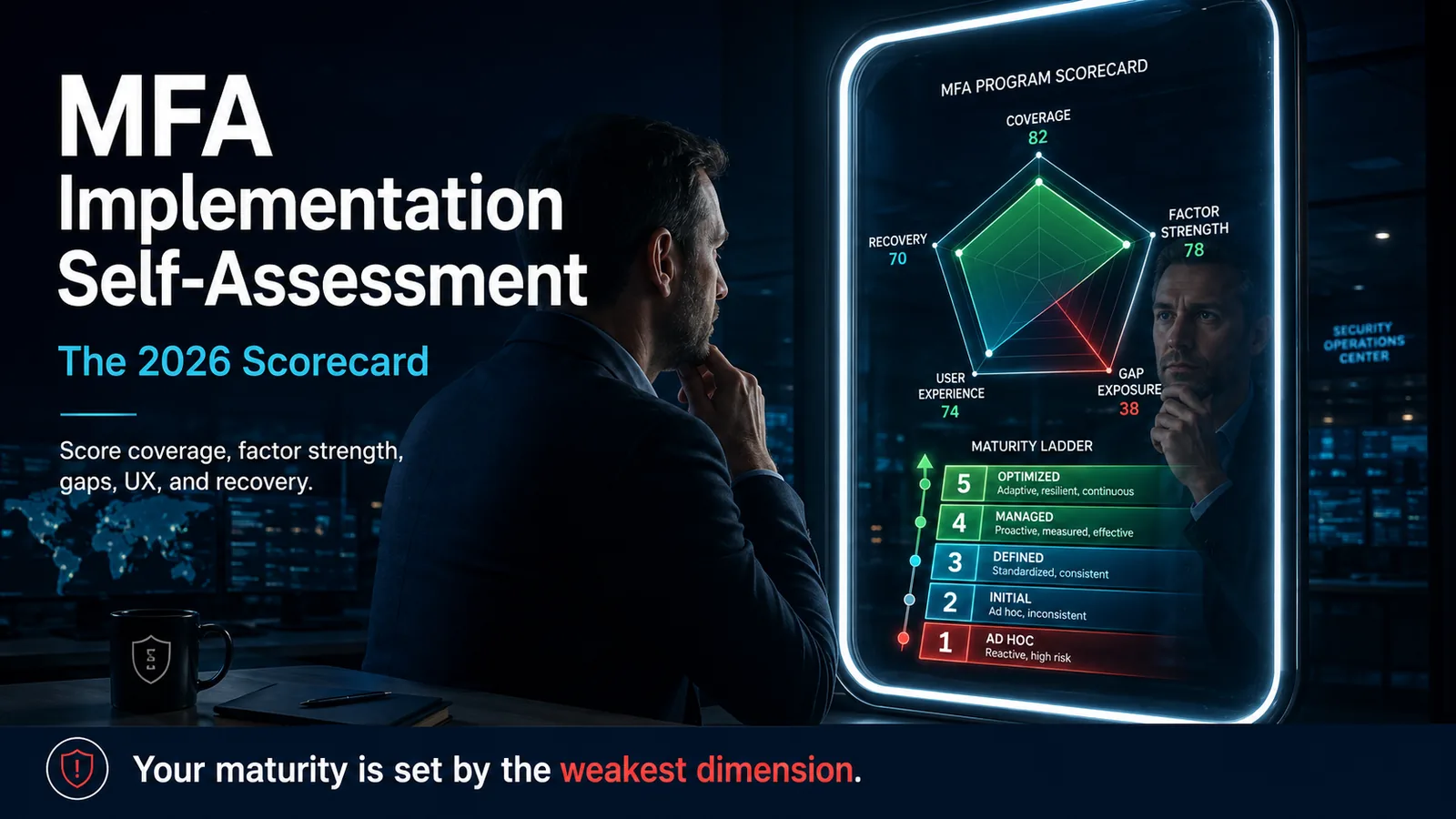
How to assess your own enterprise MFA implementation in 2026 — a scored self-assessment across coverage, factor strength, gaps, user experience, and recovery on a five-level maturity ladder.

One-time passwords fail in specific, patterned ways at enterprise scale — SMS interception through SS7 and SIM-swap, TOTP time drift and device loss, push-notification MFA fatigue, hardware token failures, and the recovery-channel gap that determines whether the failure produces a help desk ticket or a security incident. The 2026 enterprise reference on how OTP actually fails in production and what to deploy instead.

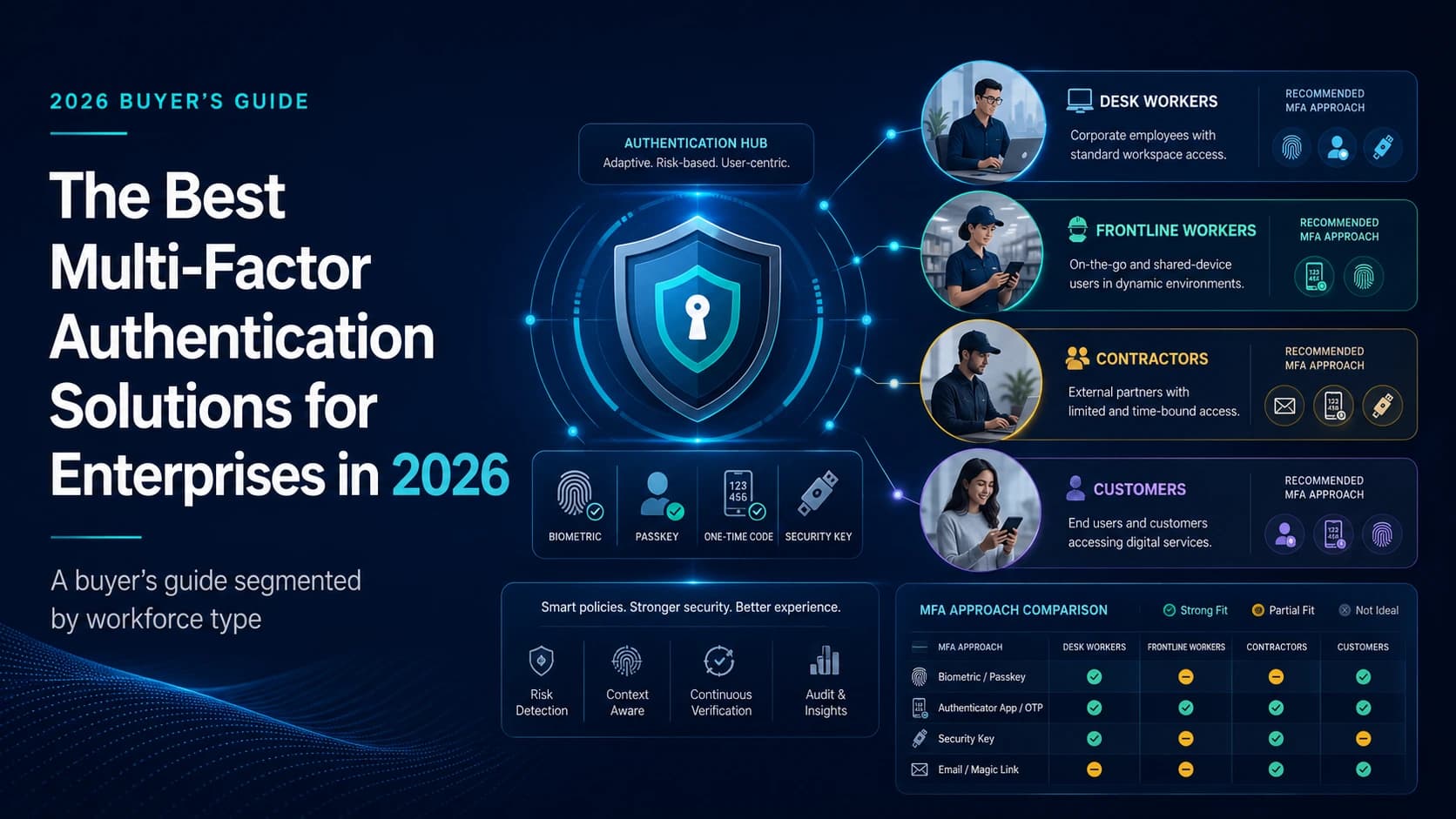
A 2026 buyer's guide to enterprise MFA solutions, segmented by workforce type. Compare 12 vendors across desk, frontline, contractor, and customer use cases.

How to scale OTP across an enterprise in 2026 — channel selection, recovery design, workforce segmentation, and where OTP belongs in a phishing-resistant architecture.

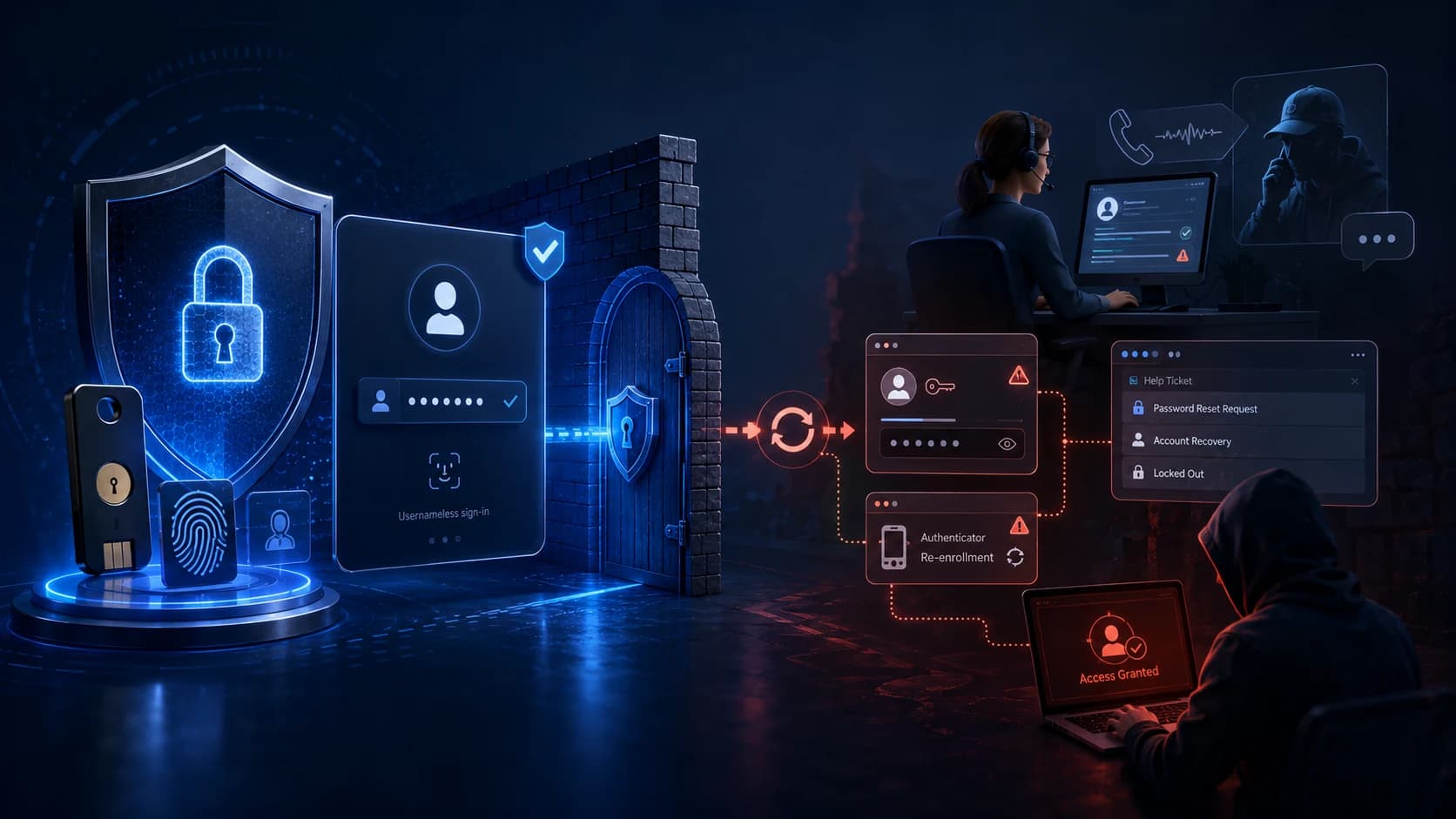
Phishing-resistant MFA is the right answer for the front door. It does not protect the recovery channel, which is where the 2026 attacks are landing.

When one-time passwords still hold up in 2026, when they don't, and the phishing-resistant alternatives that have replaced them for high-impact use cases.

What the Stryker attack revealed about device-dependent MFA — and what phishing-resistant authentication actually means in an era of AiTM session theft.

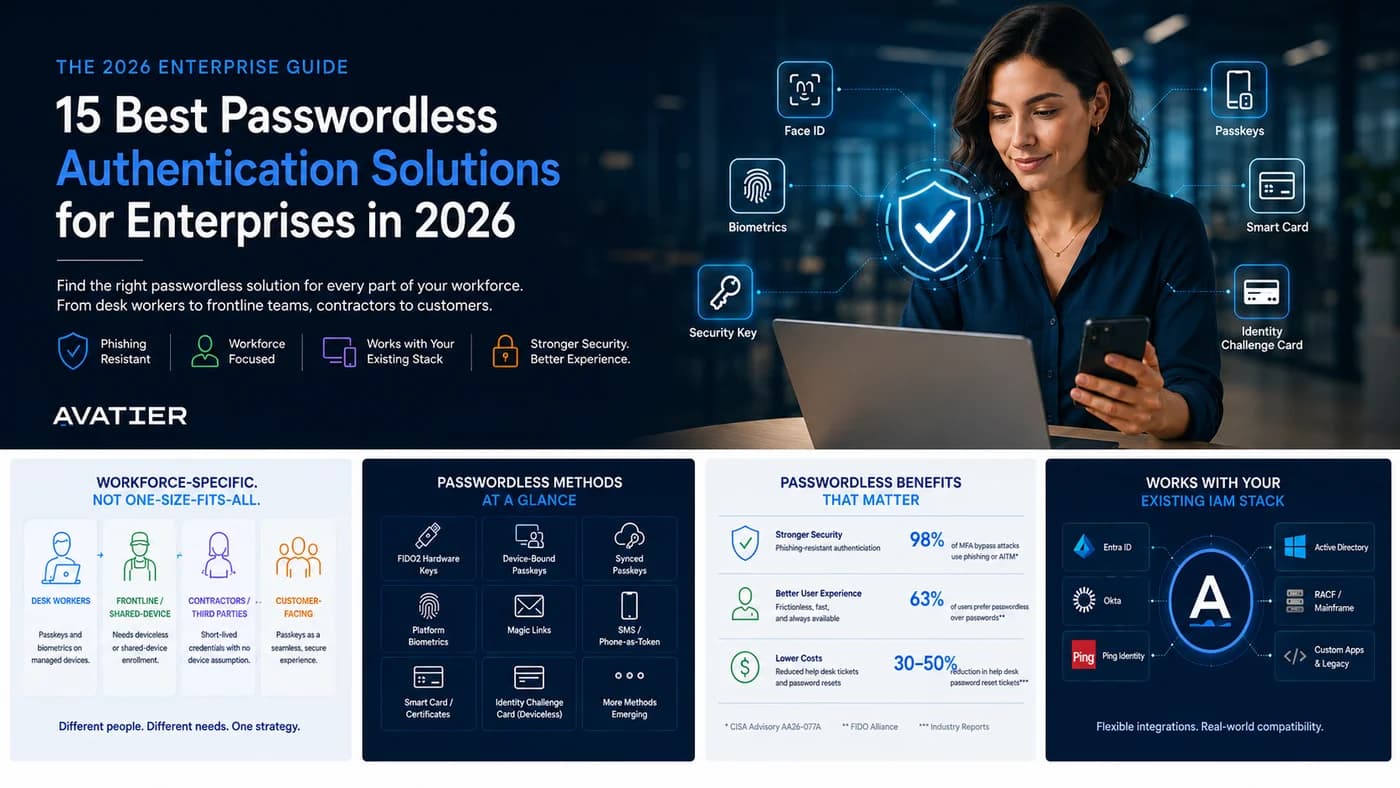
A 2026 buyer's guide to enterprise passwordless authentication, segmented by workforce type. Compare 15 vendors across desk, frontline, contractor, and customer use cases.