Retiring MFA Exceptions: Full-Workforce MFA with Avatier
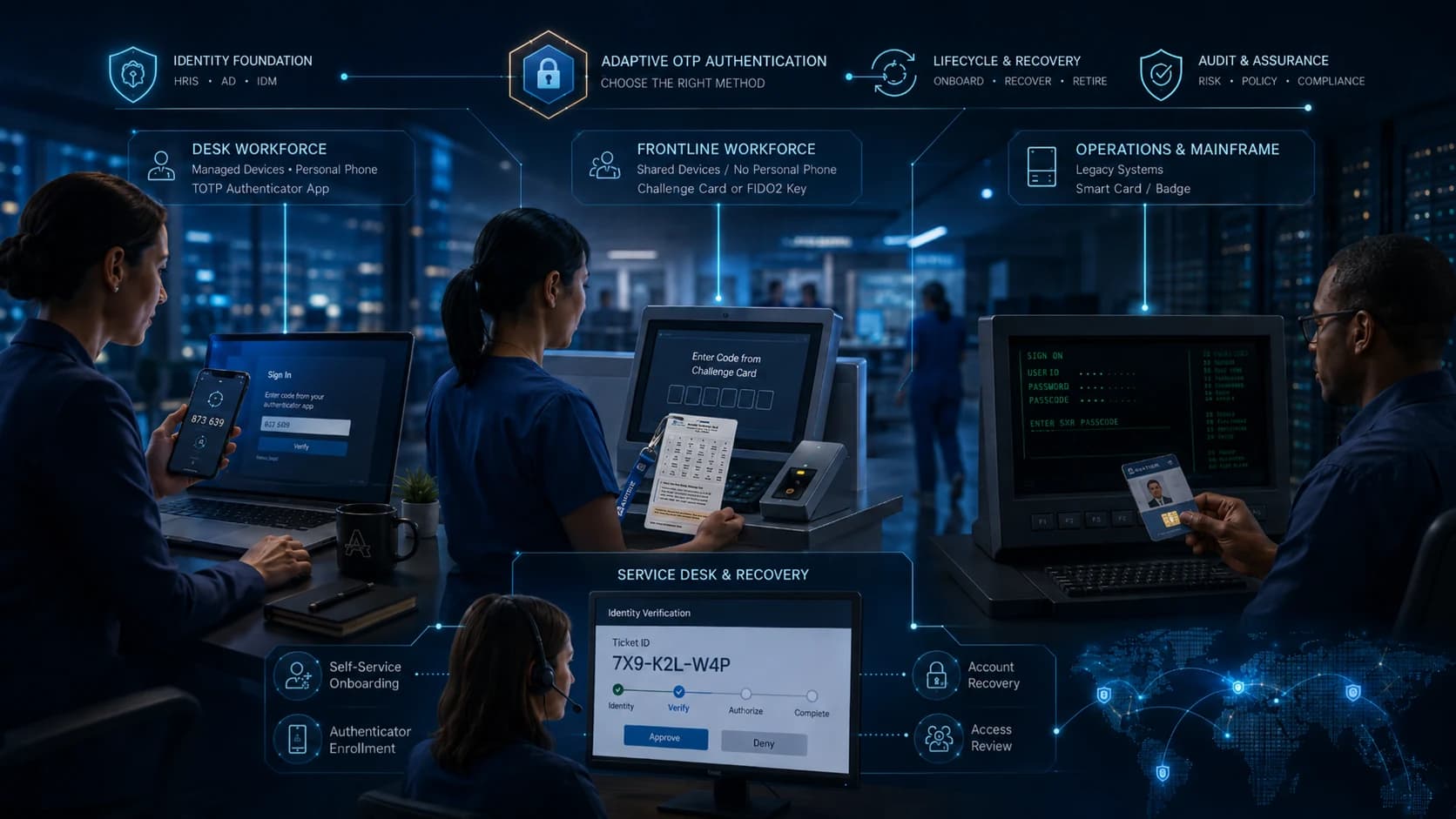
An MFA exception register lists the workers device MFA can't reach. How Avatier's Identity Challenge Card lets policy route each of them to a method, so exceptions can be retired.
Security leaders evaluating authentication architecture and risk reduction.
Showing 57 posts

An MFA exception register lists the workers device MFA can't reach. How Avatier's Identity Challenge Card lets policy route each of them to a method, so exceptions can be retired.

Avatier's Identity Challenge Card ships in 34 languages, including right-to-left Arabic and CJK scripts. Same card, same three-factor flow, localized for every worker.

Avatier's Identity Challenge Card can be added to Apple Wallet, Google Wallet or Samsung Wallet, alongside the printed card. When to reach for the wallet card, and when for the printed one.

How Avatier's Identity Challenge Card is issued through one IGA workflow, expires and re-enrolls by policy, and is revoked in seconds and replaced the same day when a card is lost.

What three-factor authentication is, how 3FA differs from 2FA, and how Avatier's Identity Challenge Card checks three factors: a printed grid card, a private PIN and a directory identity.

When the identity provider, MFA service or devices go down, people still have to prove who they are. A runbook for verifying, restoring and recording access with Avatier's printed card.

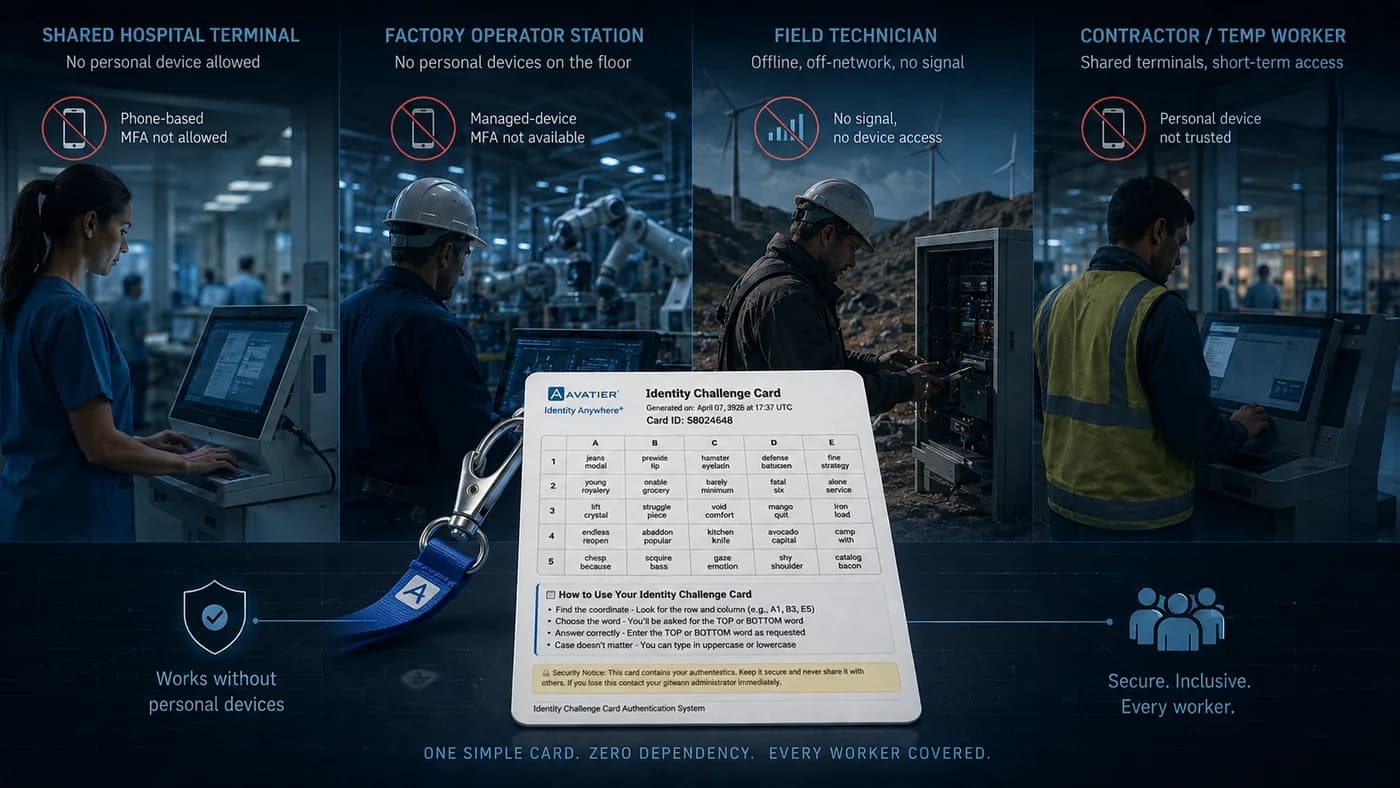
Frontline and shared-device workers can't always use a phone for MFA. How Avatier's Identity Challenge Card gives them a printed factor for login, password reset, and the service desk.

Air-gapped MFA for sites where phones are banned or networks don't reach. How Avatier's printed Identity Challenge Card verifies a worker locally, with no phone, no app and no network.

When an employee asks Copilot, Claude, or Avabot to unlock an account or change access, Avatier runs it through approved capabilities and the customer's existing policies, approvals, and roles, with evidence.

Most breaches are told in vocabulary nobody defines. A Cybersecurity Awareness Month 2026 guide to the nine identity attack vectors, the terms behind them, and what breach letters leave out.

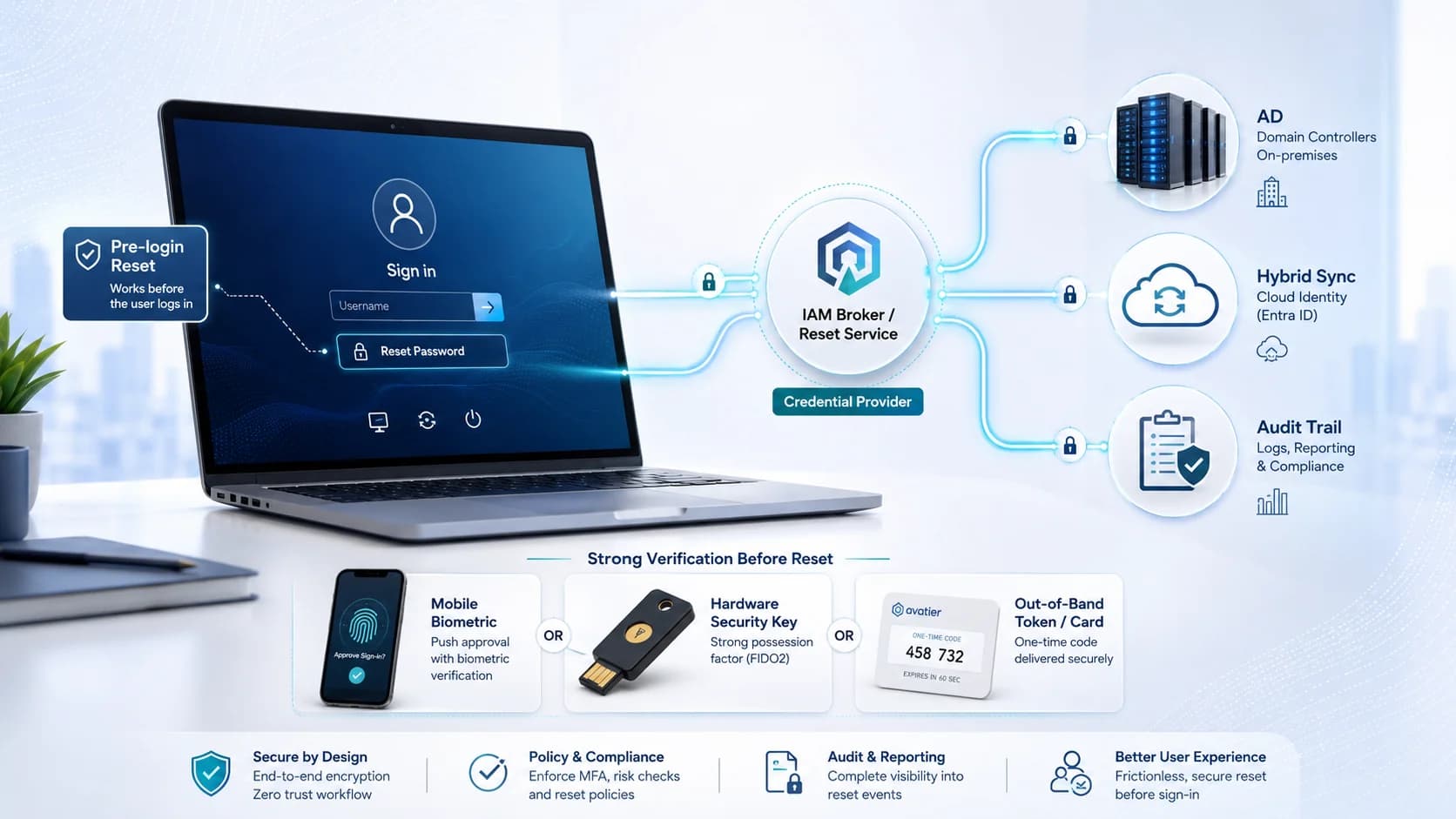
With Avatier, employees reset or unlock their password by asking in Teams, Outlook, Copilot, chat, or voice: MFA-verified, checked by Password Firewall, synchronized, and logged.

AI call center authentication means proving a caller is who they claim before any reset or unlock runs, whether a human agent or AI voice answers. What strong caller verification looks like.
An Identity Continuity Layer keeps authentication working when phones are lost, batteries die, or signal drops. What it is, where device MFA breaks, and how the Identity Challenge Card fills the gap.

With Avatier, employees request access to business apps from a Microsoft Teams chat: verified, checked against policy, routed to the right approver, provisioned, and recorded as evidence.

Conversational identity means unlocks, resets, and access requests completed by conversation in Teams, chat, and voice, under the same policy, approvals, and evidence as the portal.

Consent phishing lures a user to a real OAuth consent screen for a malicious app, they click Allow, and the attacker walks away with a token that grants lasting access. Because no password is stolen, MFA never fires. The 2026 reference on how the illicit consent grant works and the app-governance defenses that actually stop it.

A magic link replaces the password with a one-time link emailed to the user — click it and you are signed in. The 2026 reference on how the flow works, its real strengths and its structural limits, why the inbox becomes the key, and how magic links compare with passkeys.

AI has redefined what a biometric even is — turning static face and fingerprint checks into continuous, behavior-aware signal, and this is a field guide to the modalities behind that shift.

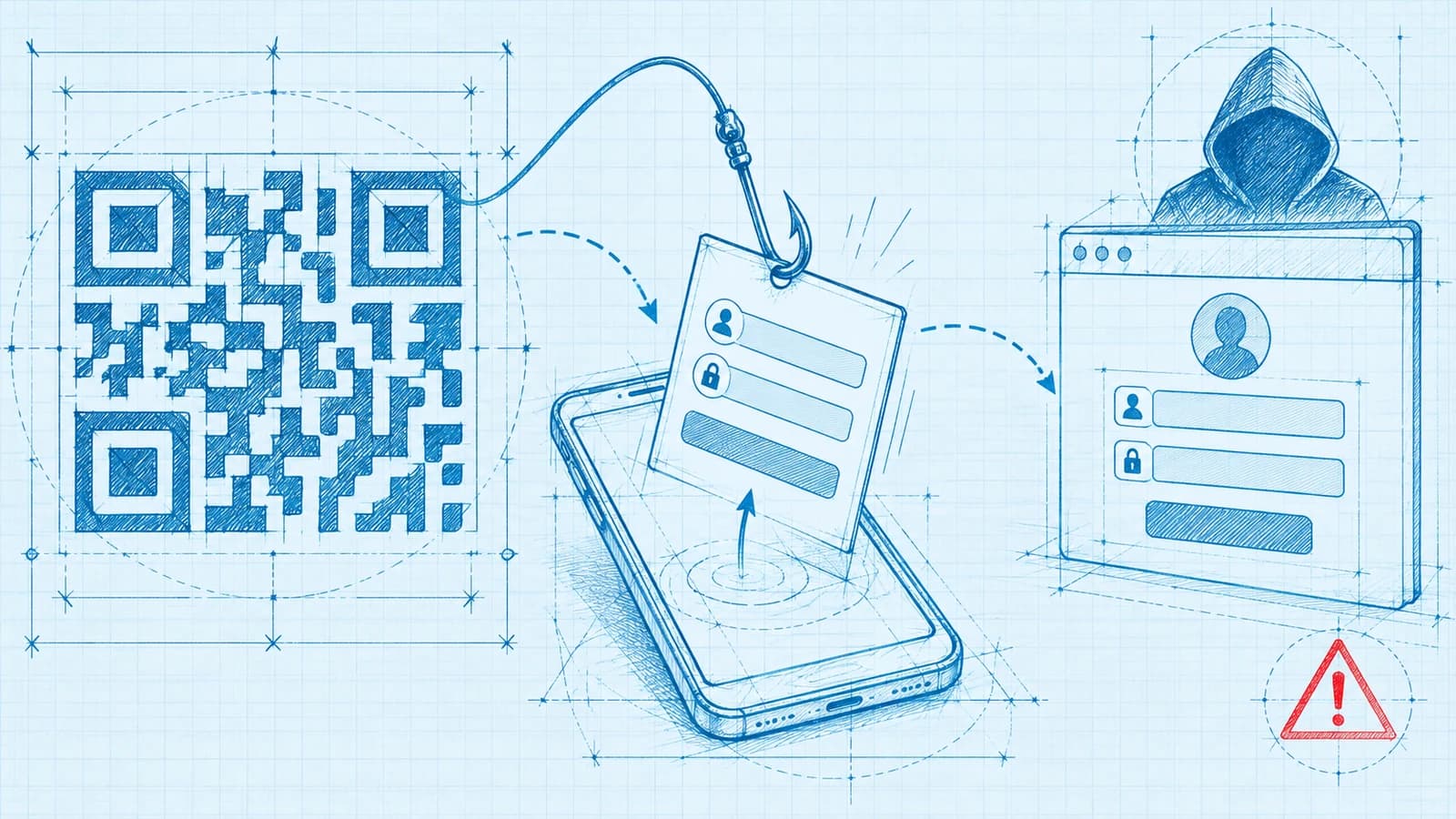
Quishing hides a malicious URL inside a QR code, slips past email link scanners, and moves the victim onto a personal phone where the fake login is hard to inspect. The 2026 reference on how the attack runs and the phishing-resistant defenses that actually stop it.

Credential stuffing replays username and password pairs leaked from other breaches against your login, at automated scale, until reused passwords hit. The 2026 reference on how the attack chain works, why it differs from brute force and password spraying, and the layered defenses that actually stop it.

Step-up authentication keeps baseline login light for routine work and demands fresh, stronger verification the moment an action turns sensitive. The 2026 reference on what triggers a step-up, how users complete one, and how it differs from adaptive authentication.

Attackers get past MFA without breaking the cryptography — SIM swap, adversary-in-the-middle, session and token theft, MFA fatigue, and consent phishing. How the AiTM bypass chains, and the defenses that actually close it.

Going passwordless doesn't automatically satisfy an auditor. Here is what NIST, SOX, HIPAA, and PCI reviewers actually check in a passwordless deployment, and where the evidence gaps show up first.

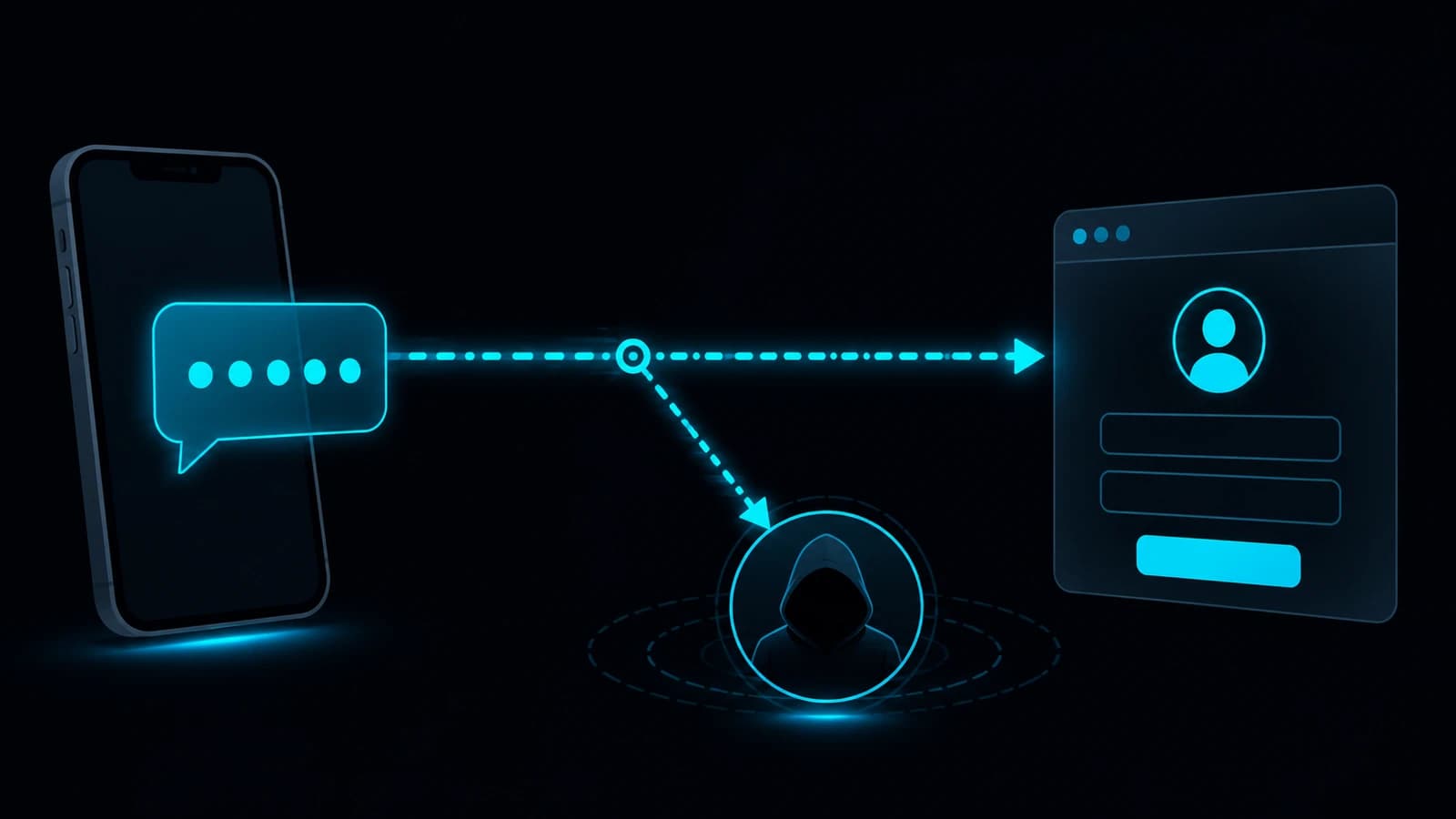
Weak OTP fails at four specific points — SIM swap, real-time phishing relay, SS7 interception, and MFA fatigue — and every one of them is a known, repeatable attacker technique in 2026.

Multi-factor authentication only works when the factors are genuinely different — this 2026 reference clears up what counts as a real factor and what advanced MFA actually means.

OTP does not stop every attack, but it reliably defeats credential stuffing, password-spray, basic brute force, and stolen-password reuse from unrelated breaches. The 2026 breach-prevention case for OTP — the attack chains it breaks, the ones it doesn't, and how to deploy it so the prevention benefit actually lands.

Passwordless authentication doesn't earn HIPAA certification — HIPAA doesn't certify vendors — but it directly strengthens the §164.312 access-control safeguards clinical IT teams are graded on.

Windows Hello does one thing extremely well — it produces a strong, TPM-bound, biometric or PIN sign-in on the specific Windows device a user enrolled on. The limitations show up the moment authentication needs to leave that device: shared and kiosk workstations, roaming across machines, cross-platform access, and the per-device enrollment burden. The 2026 practitioner reference on how Windows Hello actually works, exactly where its device-bound model falls short, and the FIDO2 and passkey patterns that extend it to the endpoints Hello was never designed to cover.

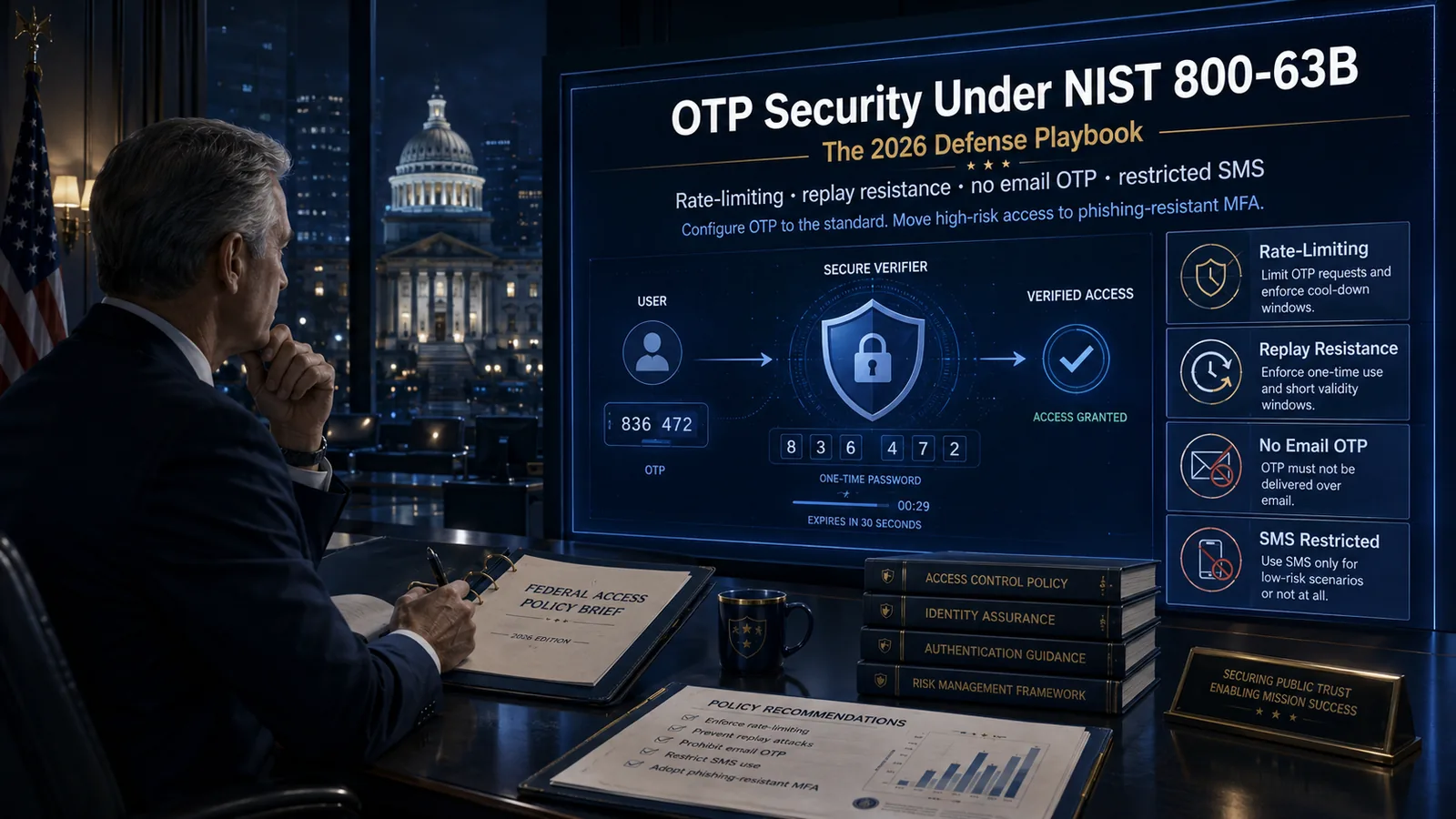
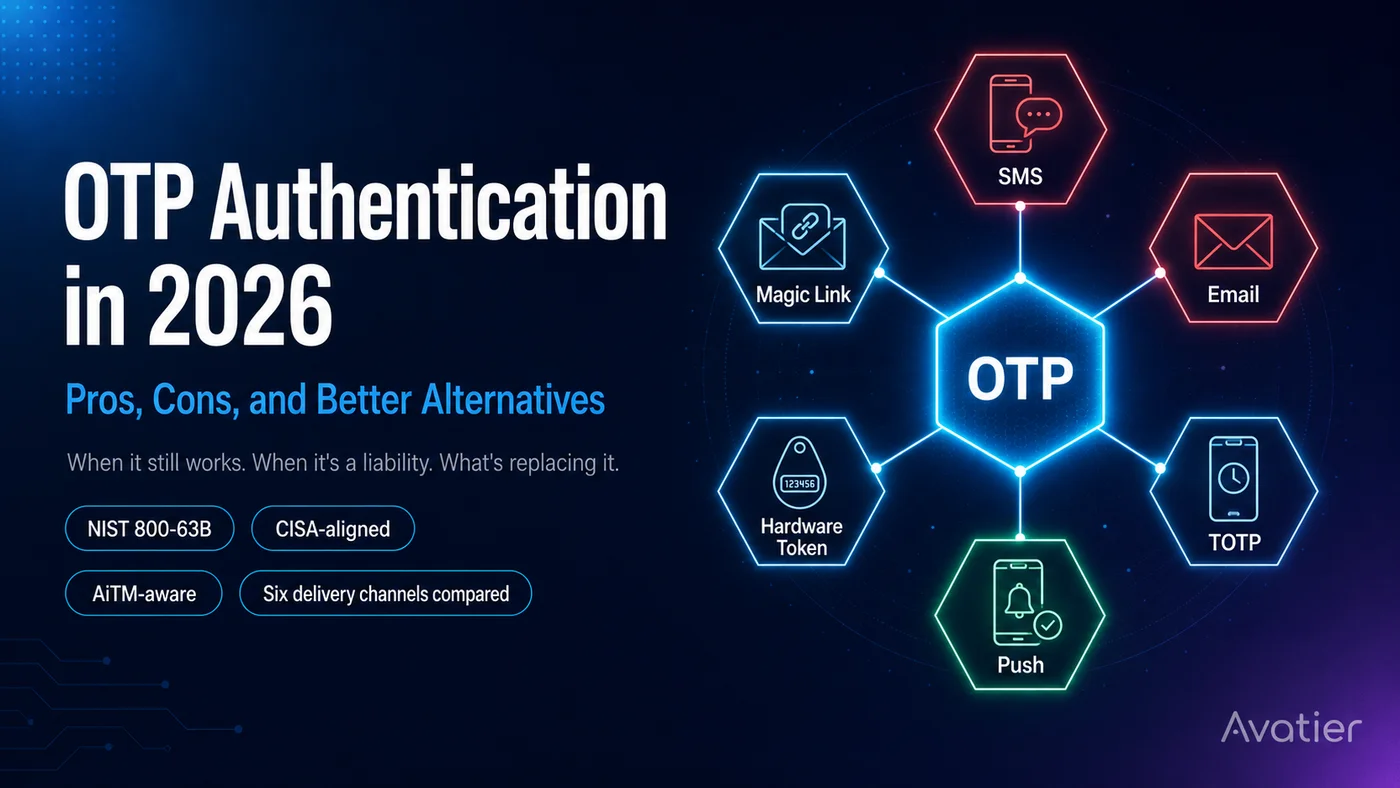
OTP fails less on cryptography than on deliverability, SIM-swap and phishing exposure, UX friction, and compliance. The real challenges of one-time passwords in 2026 — and how to implement OTP well.

One-time passwords live or die by NIST SP 800-63B verifier rules — rate-limiting, replay resistance, no email OTP, restricted SMS. What the standard requires in 2026, and when to move past OTP.

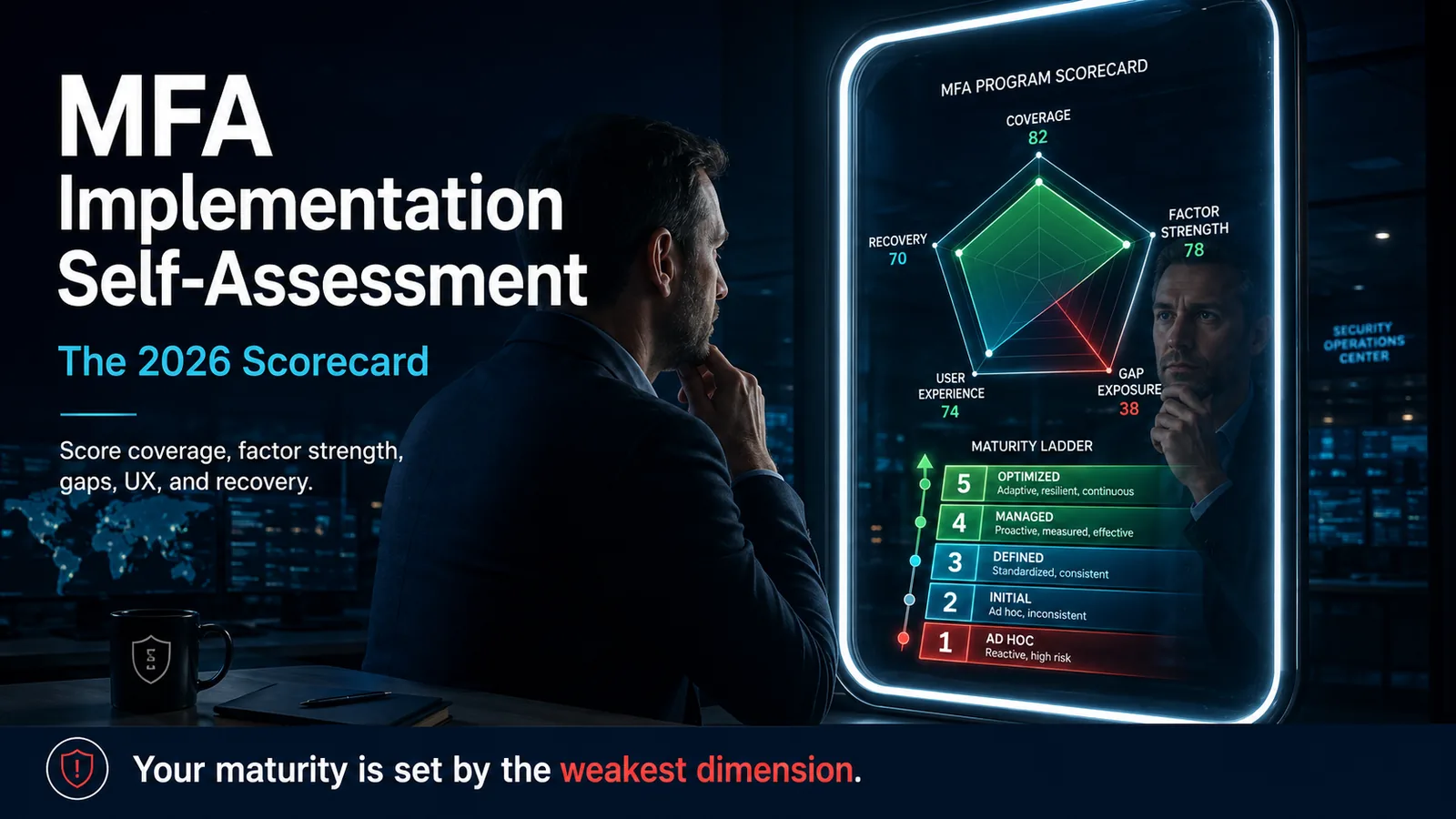
How to assess your own enterprise MFA implementation in 2026 — a scored self-assessment across coverage, factor strength, gaps, user experience, and recovery on a five-level maturity ladder.

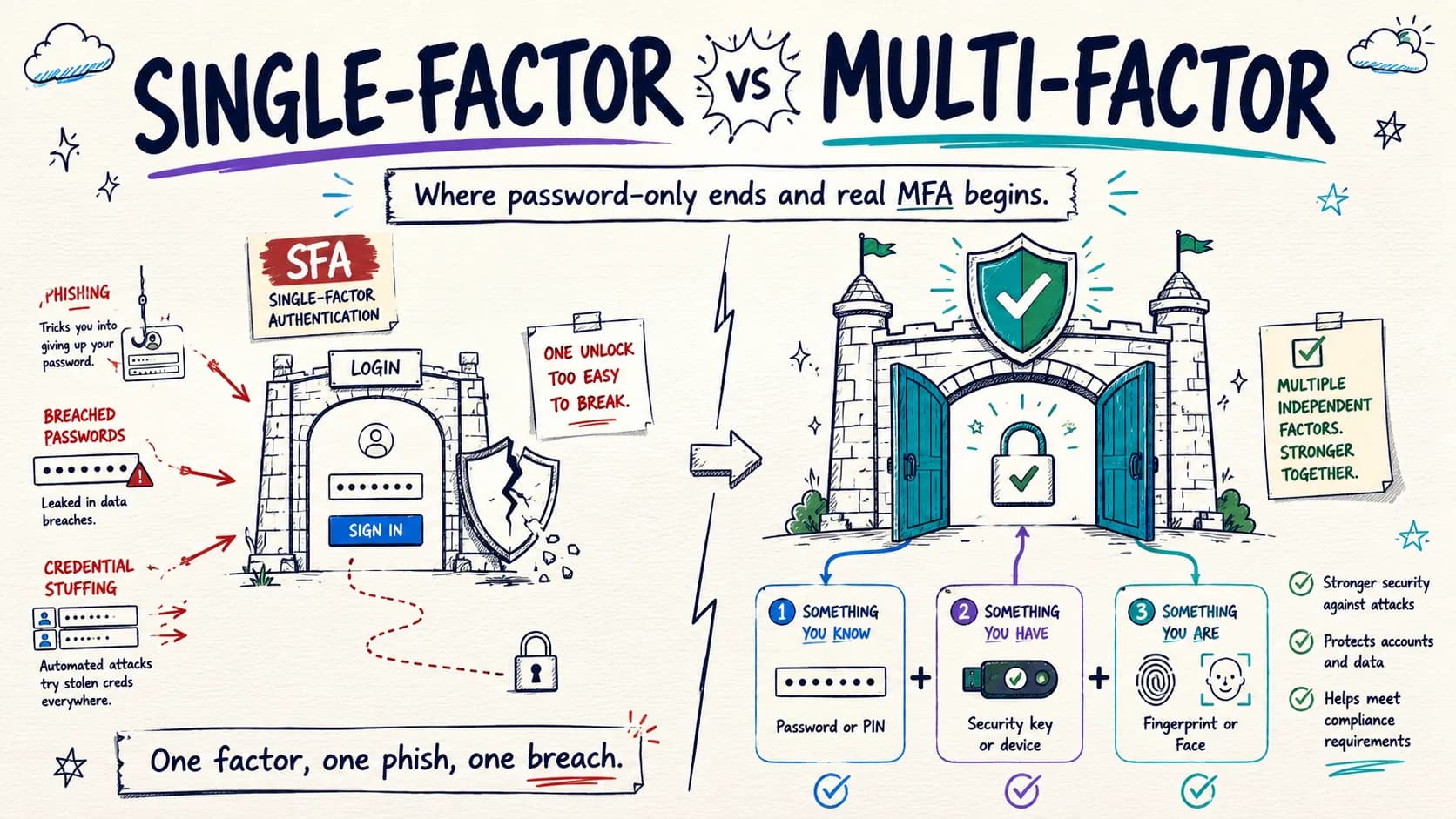
Single-factor authentication still runs most login events on earth, and most of the advice about it is a strawman. The 2026 reference on what SFA actually is, where it remains defensible, why factor independence decides whether you really have MFA, and the failure ladder from password-only to phishing-resistant FIDO2.

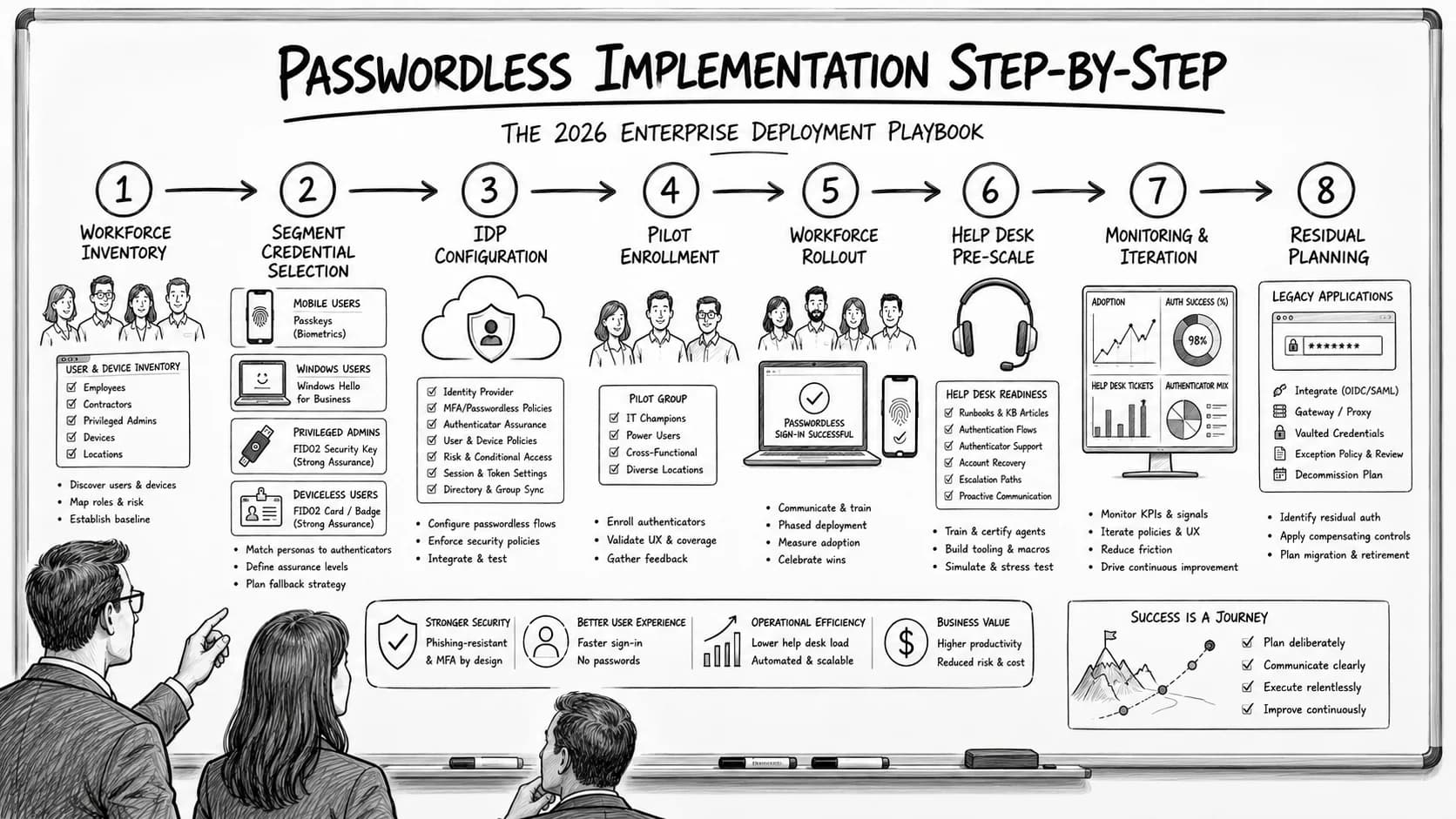
Enterprise passwordless implementation runs on a specific eight-step deployment sequence — workforce inventory, credential-class selection per segment, IdP configuration, pilot enrollment, workforce rollout with change management, help desk pre-scaling, monitoring and iteration, and passwordless-fallback residual planning. The 2026 enterprise reference on the step-by-step deployment playbook, the go/no-go criteria at each phase gate, and the discipline that produces successful passwordless rollout at workforce scale.

Microsoft enterprise environments have a specific passwordless deployment architecture — Windows Hello for Business as the primary Windows authentication factor, Entra ID as the identity broker for cloud application access, Windows Autopilot and Intune for device provisioning, and the hybrid deployment patterns that bridge on-premises AD to Entra ID. The 2026 enterprise reference on the Microsoft-stack passwordless architecture, the WHfB enrollment ceremony discipline, and the deployment pattern that produces phishing-resistant workforce authentication across the Microsoft estate.

One-time passwords fail in specific, patterned ways at enterprise scale — SMS interception through SS7 and SIM-swap, TOTP time drift and device loss, push-notification MFA fatigue, hardware token failures, and the recovery-channel gap that determines whether the failure produces a help desk ticket or a security incident. The 2026 enterprise reference on how OTP actually fails in production and what to deploy instead.

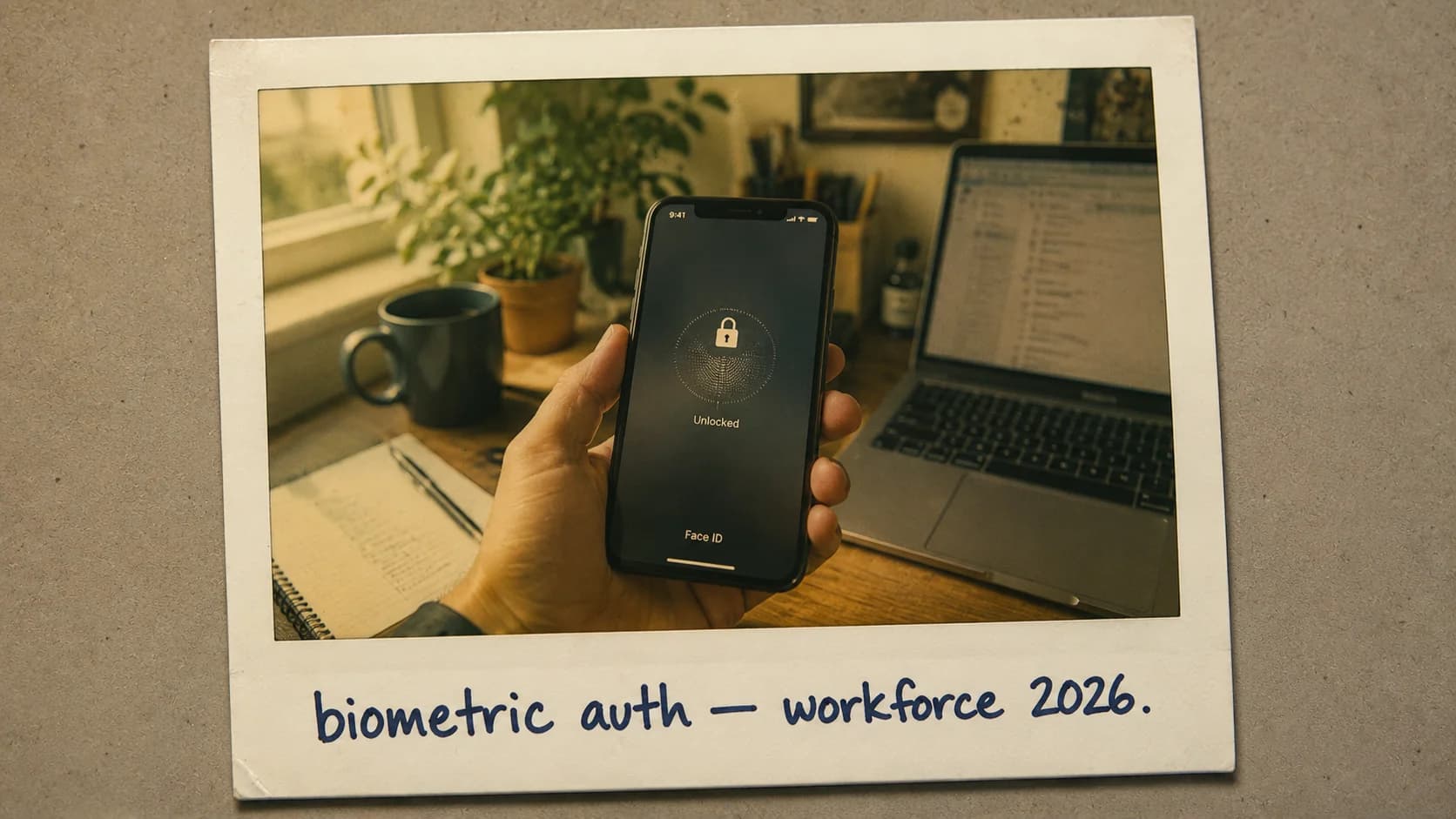
Mobile biometric authentication has quietly become the primary phishing-resistant credential class for enterprise workforce authentication. The 2026 enterprise reference on what's actually happening on modern mobile devices, how platform passkeys and biometric unlock compose into FIDO2 authentication, and where mobile biometric MFA still needs step-up to a hardware key or deviceless credential.

The enterprise shift from passwords to biometrics isn't a technology purchase — it's a multi-year architectural migration with distinct phases, risk-tiered rollout, federation-parallel-run patterns, and fallback design that determines whether the shift succeeds or produces a support-burden crisis. The 2026 organizational reference on how the migration actually runs at workforce scale, distinct from the mobile-biometric-specific architecture that dominates operator-level attention.

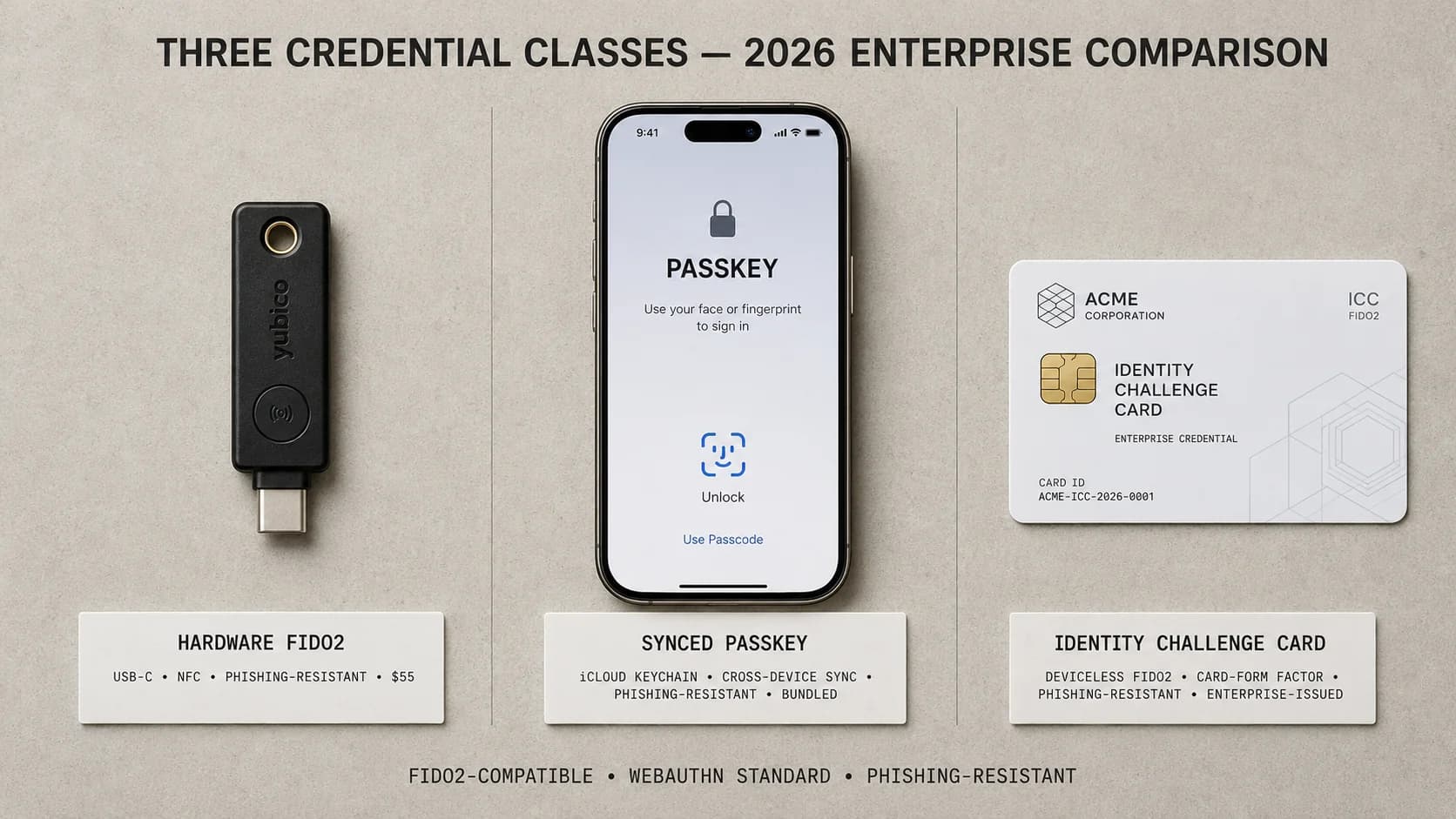
Both hardware FIDO2 keys and passkeys deliver phishing-resistant authentication using the WebAuthn standard. Operationally they're substantially different — portability, recovery patterns, cost at scale, and credential sovereignty all diverge. The 2026 enterprise buyer's reference on which credential class fits which workforce segment, where each breaks, and why most mature deployments compose both.

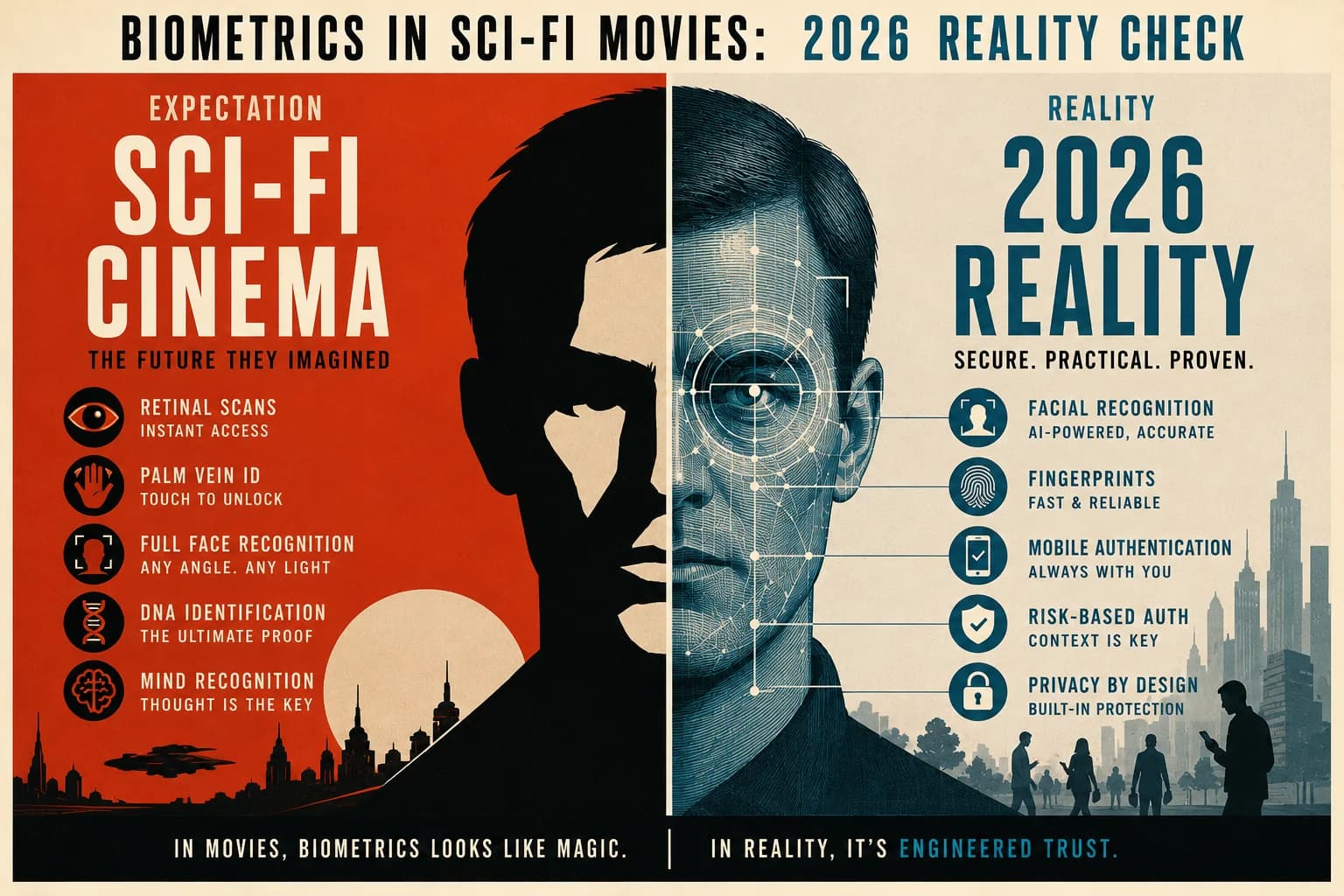
For sixty years, sci-fi has been showing us biometric authentication — palm scans, retinal lasers, voice prompts, faces unlocking doors. Now most of us authenticate with biometrics every morning before we've finished our coffee. What did sci-fi get right, what did it get hilariously wrong, and what does workforce biometric authentication actually look like in 2026?

MFA is the credential class that defeats phishing and credential theft. It cannot defeat the four attack patterns that don't require defeating MFA — toxic entitlement accumulation, insider misuse, shadow admin accounts, and privileged session abuse. The 2026 enterprise reference on the IGA layer above MFA that closes the gap MFA structurally cannot.

AI agents need identities, credentials, and authentication ceremonies of their own — separate from the humans they act on behalf of, separate from the service accounts they're often confused with. The 2026 enterprise reference on the architectures that issue agent identity, the protocols that authenticate them, the delegation chain that keeps user authority intact, and where agentic auth deployments break.

Authentication at session establishment isn't enough for privileged users, financial-system operators, defense workloads, or executive accounts. Continuous authentication re-evaluates identity assurance at every protected resource access, every session checkpoint, every risk-signal change. The 2026 enterprise reference on the architecture, the signal stream, and the high-risk segments where the pattern is now expected.

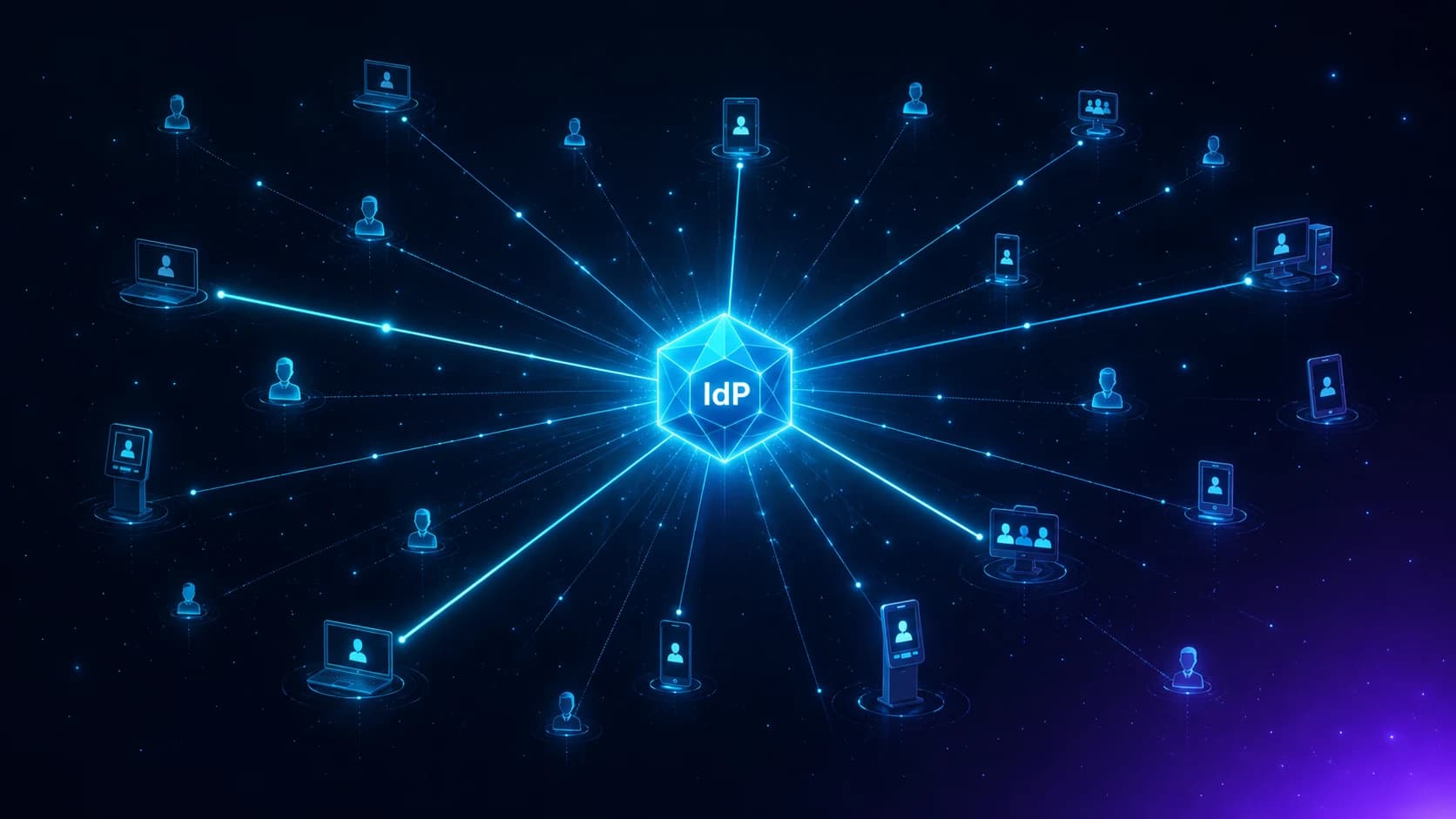
Single Sign-On for a distributed workforce — remote employees, hybrid schedules, contractor populations, partner organizations, and education-sector users — isn't the same problem it was when SSO meant SAML inside a corporate intranet. The 2026 reference on what SSO actually solves, where the architectural breakage modes live, and the federation patterns that survive contact with mixed workforces.

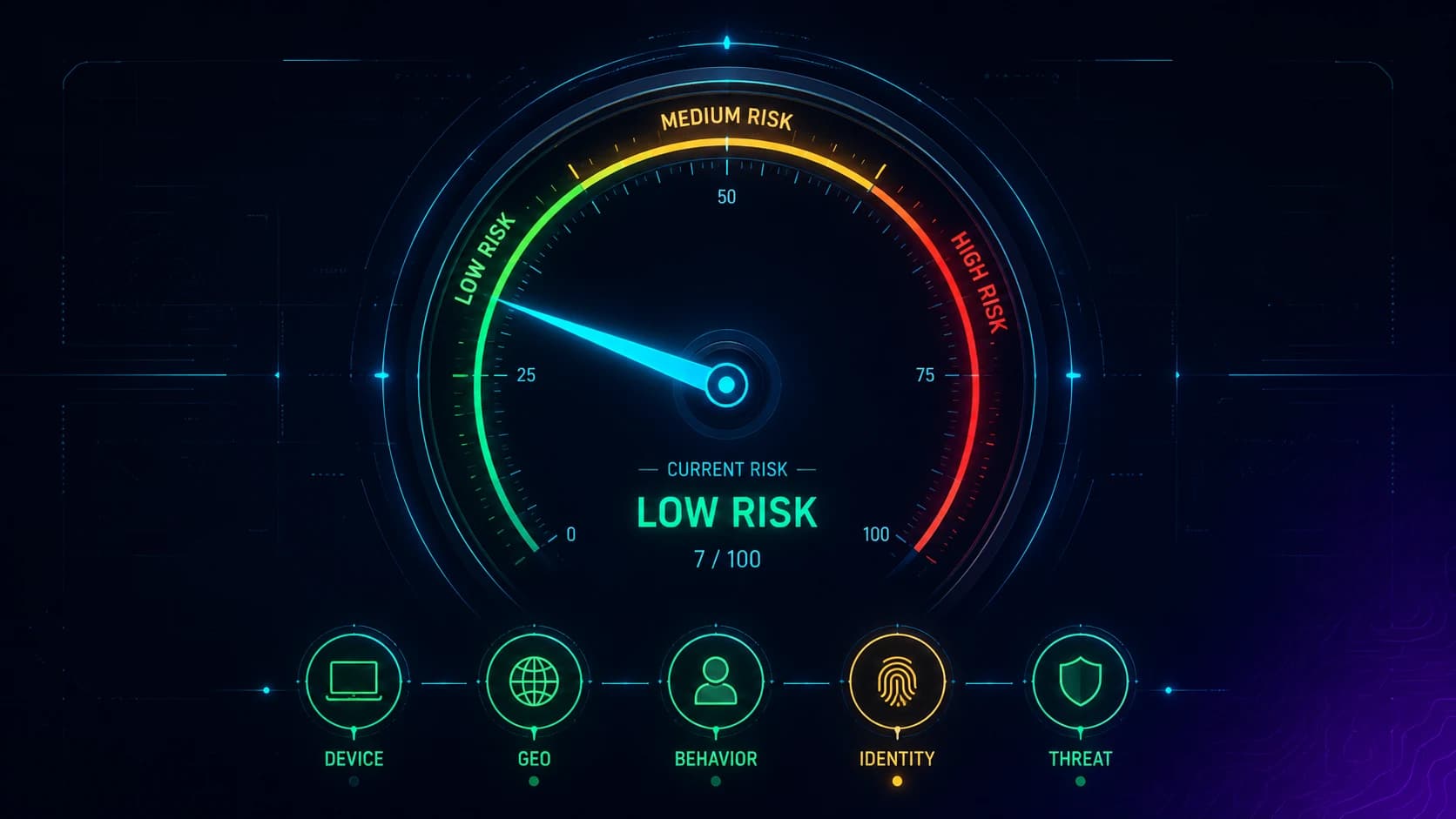
Adaptive authentication evaluates risk signals at every session and adjusts the authentication requirement to match — stronger MFA when risk is high, frictionless access when risk is low. The 2026 enterprise reference on the signals that actually matter, the architecture that composes risk with phishing-resistant MFA, and where adaptive deployments break.

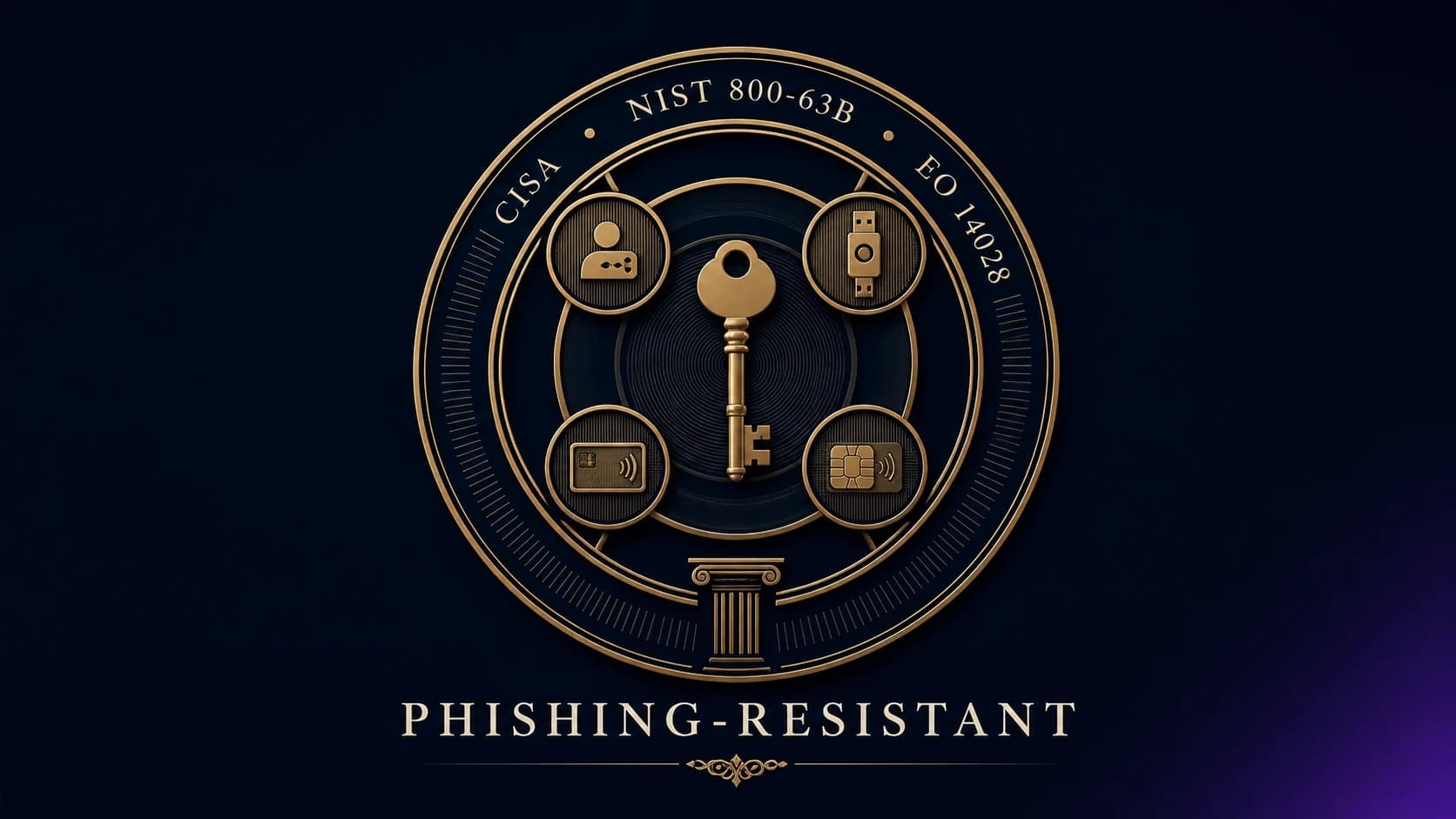
Phishing-resistant MFA is the term CISA, NIST 800-63B Rev. 4, and Executive Order 14028 use for the authentication category that survives the attack patterns that defeated SMS, OTP, and push-approval MFA. The 2026 enterprise reference on what qualifies, what doesn't, and the deployment architecture across mixed workforces.

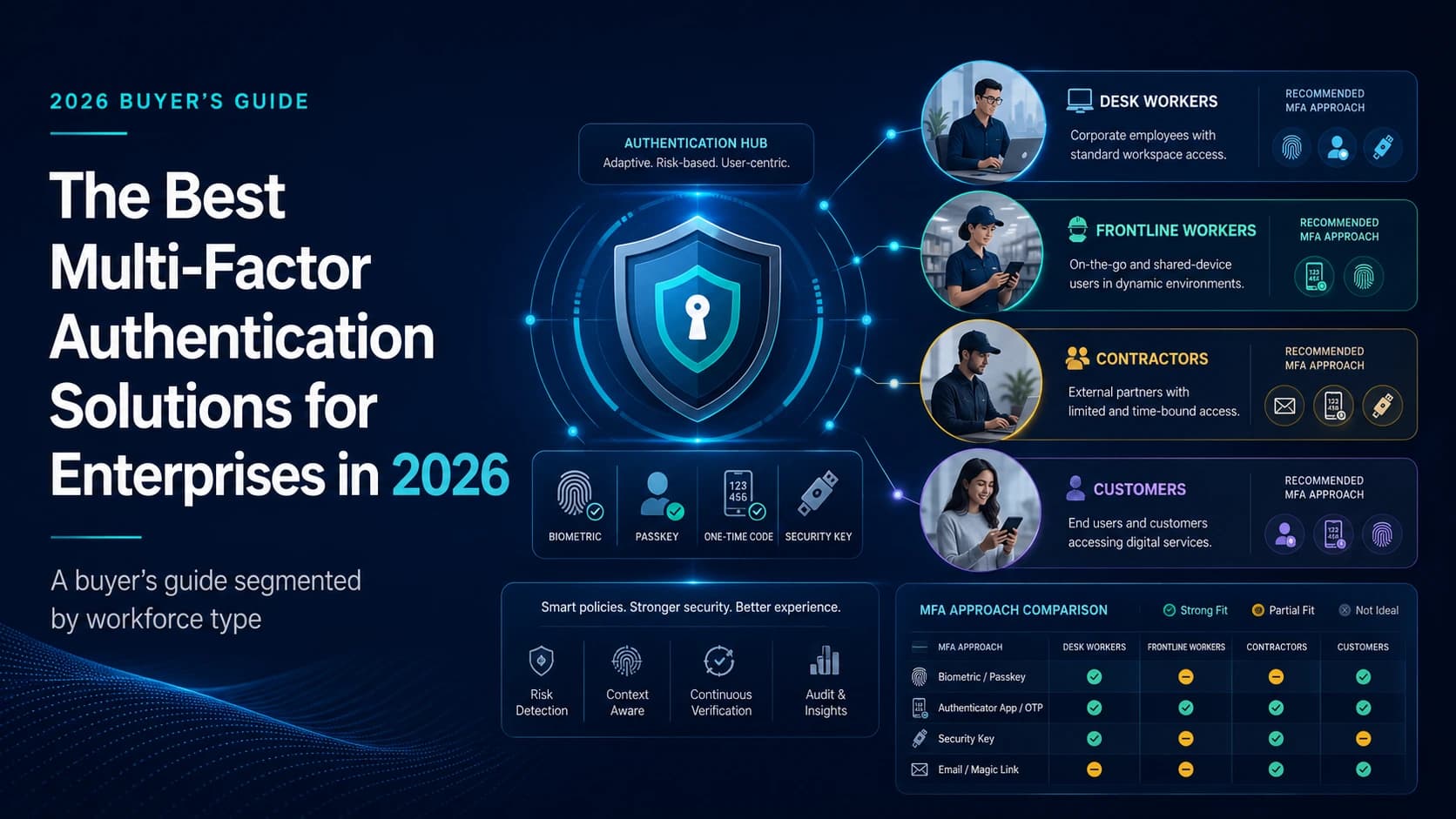
A 2026 buyer's guide to enterprise MFA solutions, segmented by workforce type. Compare 12 vendors across desk, frontline, contractor, and customer use cases.

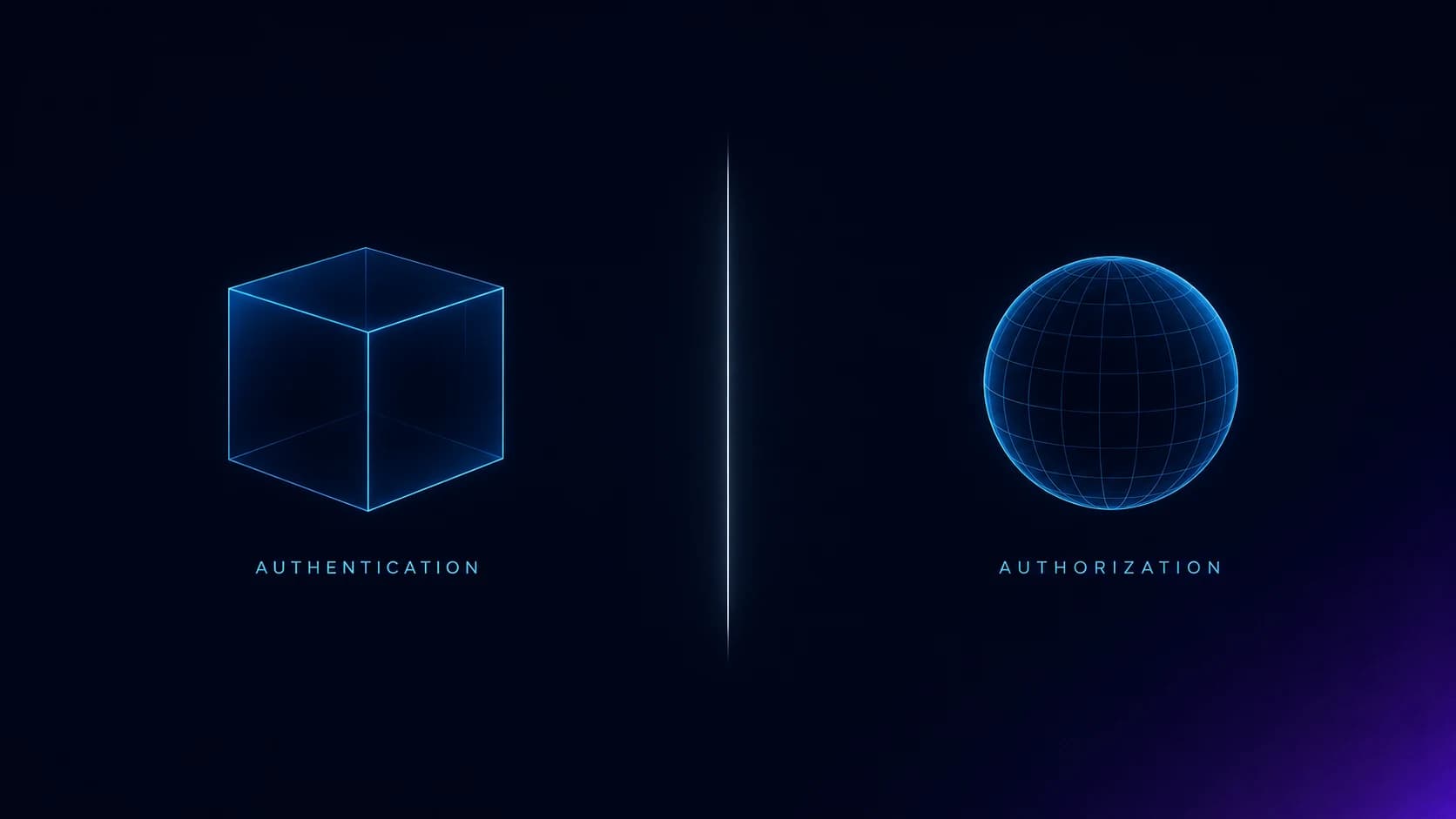
Authentication proves who you are; authorization decides what you can do. The boundary sounds clean — but the implementation decisions that follow are where most enterprise identity systems break. The 2026 reference on the boundary, the protocols that span it, and the architecture that gets both layers right.

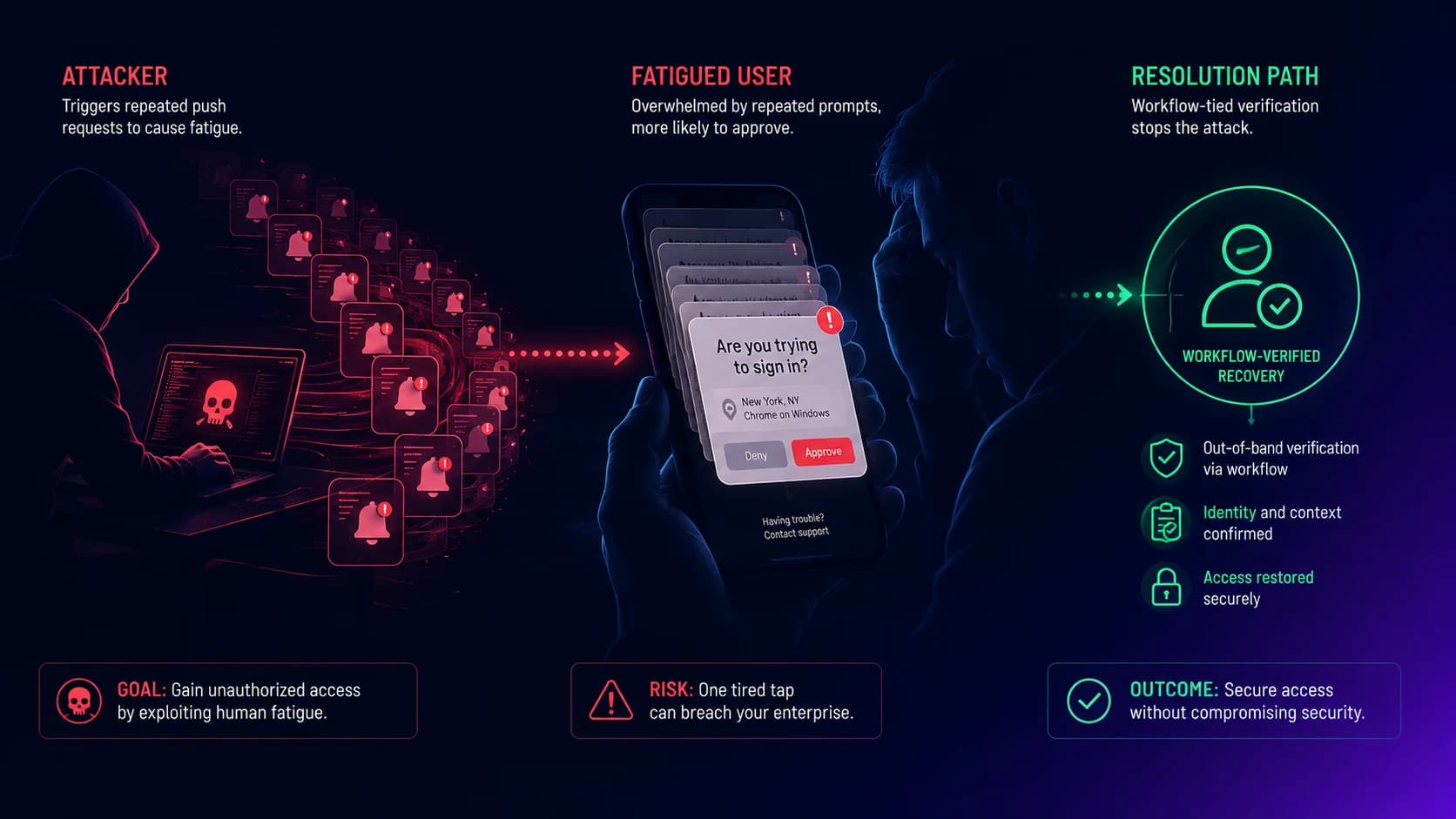
Push-bombing and MFA fatigue attacks defeat MFA by exhausting the user, not the cryptography. The 2026 defense patterns — number matching, push throttling, phishing-resistant migration, and the architecture that survives the attack vector that took down Uber, Cisco, and a long list of enterprises since 2022.

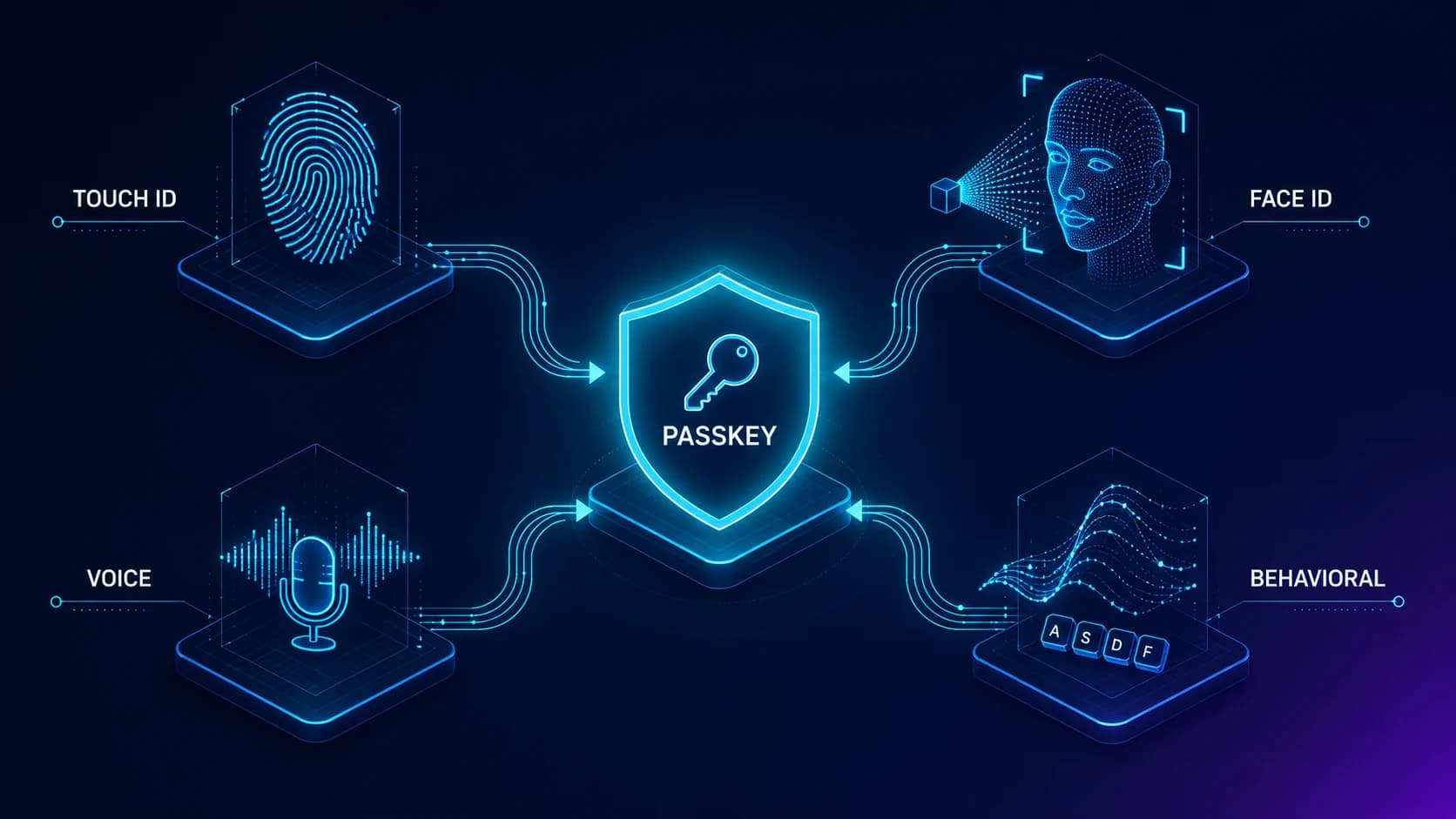
Biometric authentication is no longer a Hollywood prop — it's the dominant unlock mechanism for every passkey deployed in 2026. The honest enterprise guide to which biometrics are production-grade, which are still demo-only, and how biometrics fit into the workforce MFA architecture.

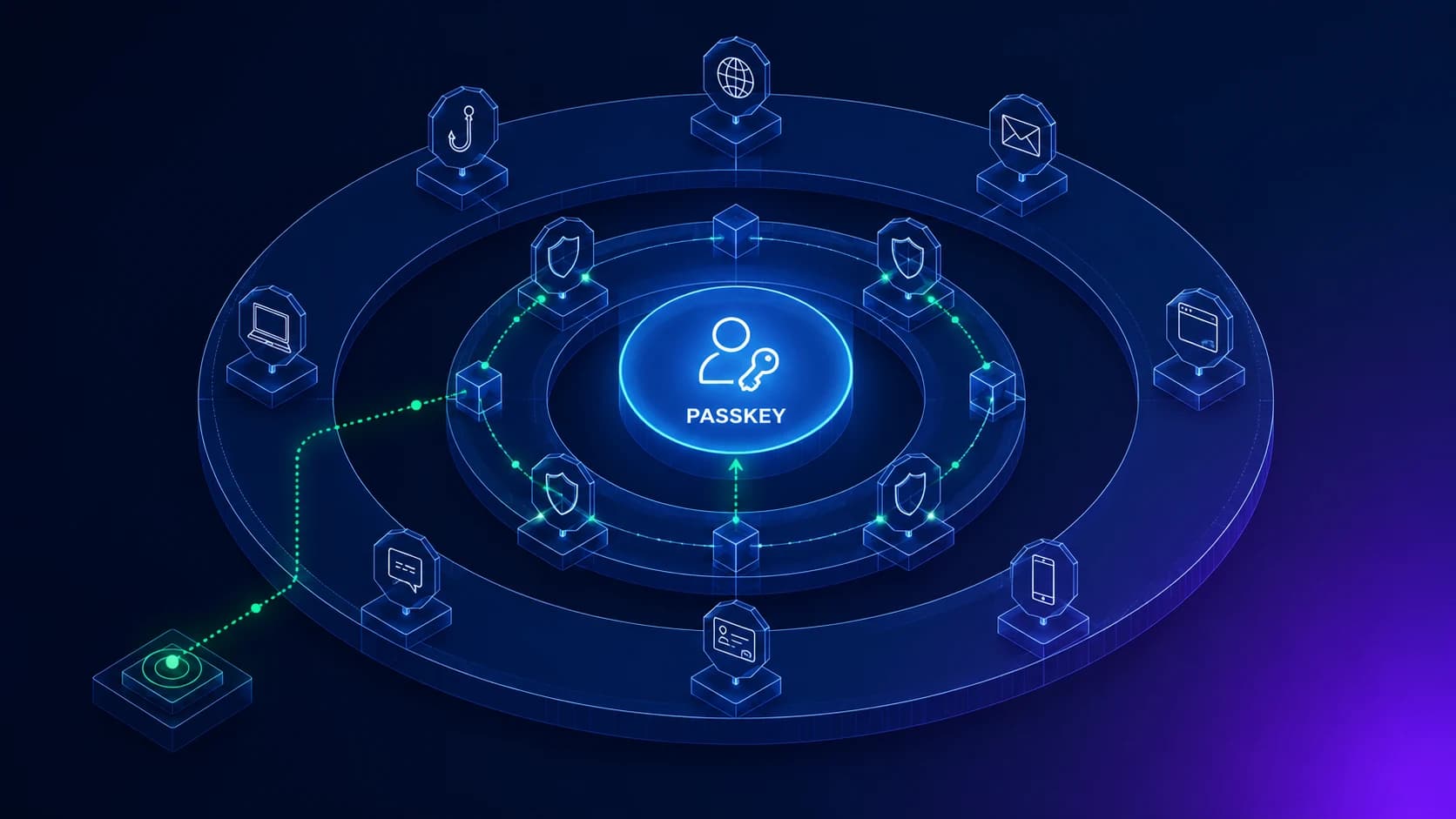
Passkeys are the strongest workforce authenticator most enterprises can deploy in 2026. The playbook covers what passkeys actually are, where they break in production, and the phased deployment that survives contact with enterprise reality.

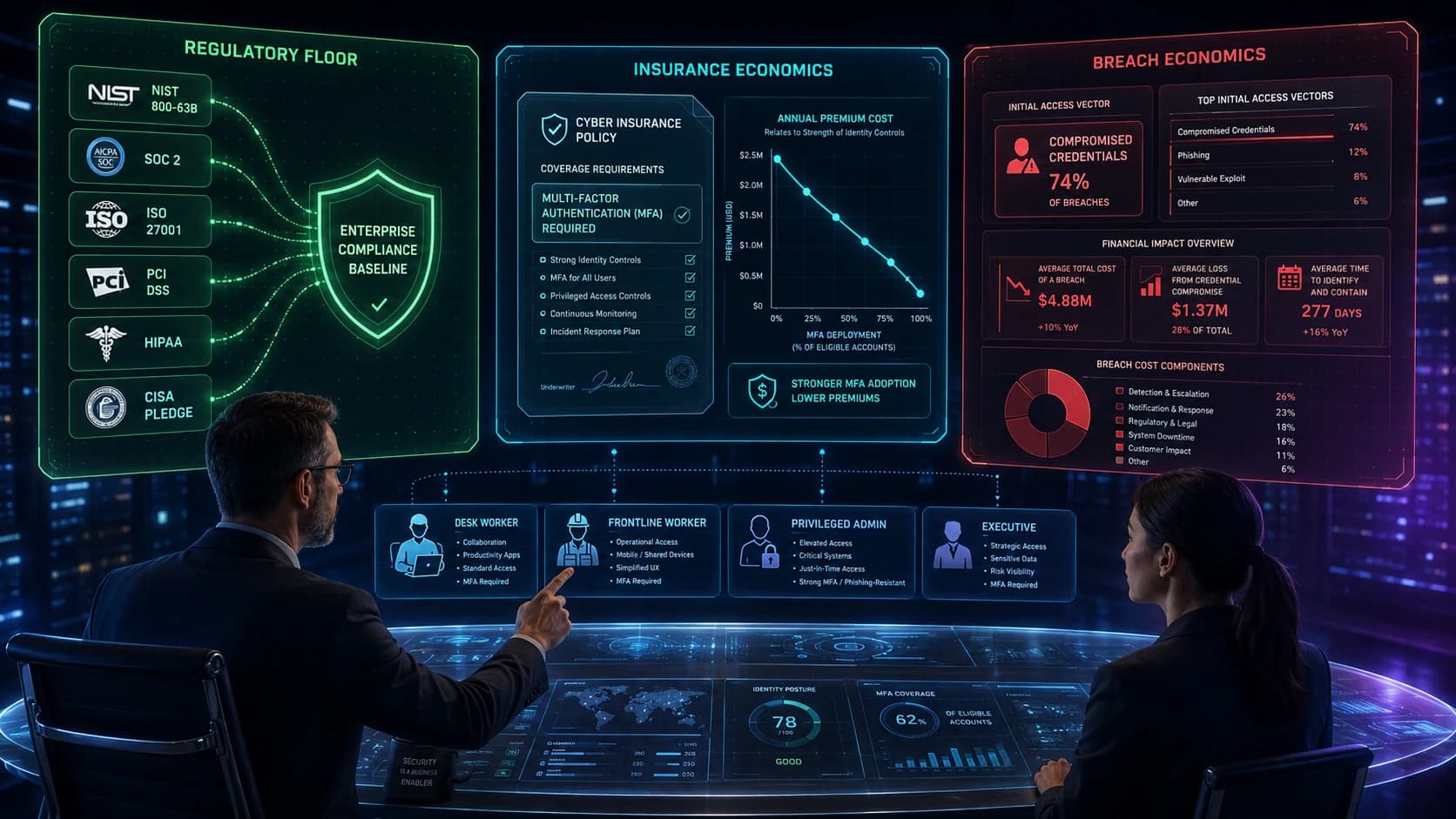
The real reasons enterprises deploy MFA — what's changed since 2024, what Storm-2949 taught us about the recovery channel, and how to evaluate whether your MFA architecture is actually doing the job.

How to scale OTP across an enterprise in 2026 — channel selection, recovery design, workforce segmentation, and where OTP belongs in a phishing-resistant architecture.

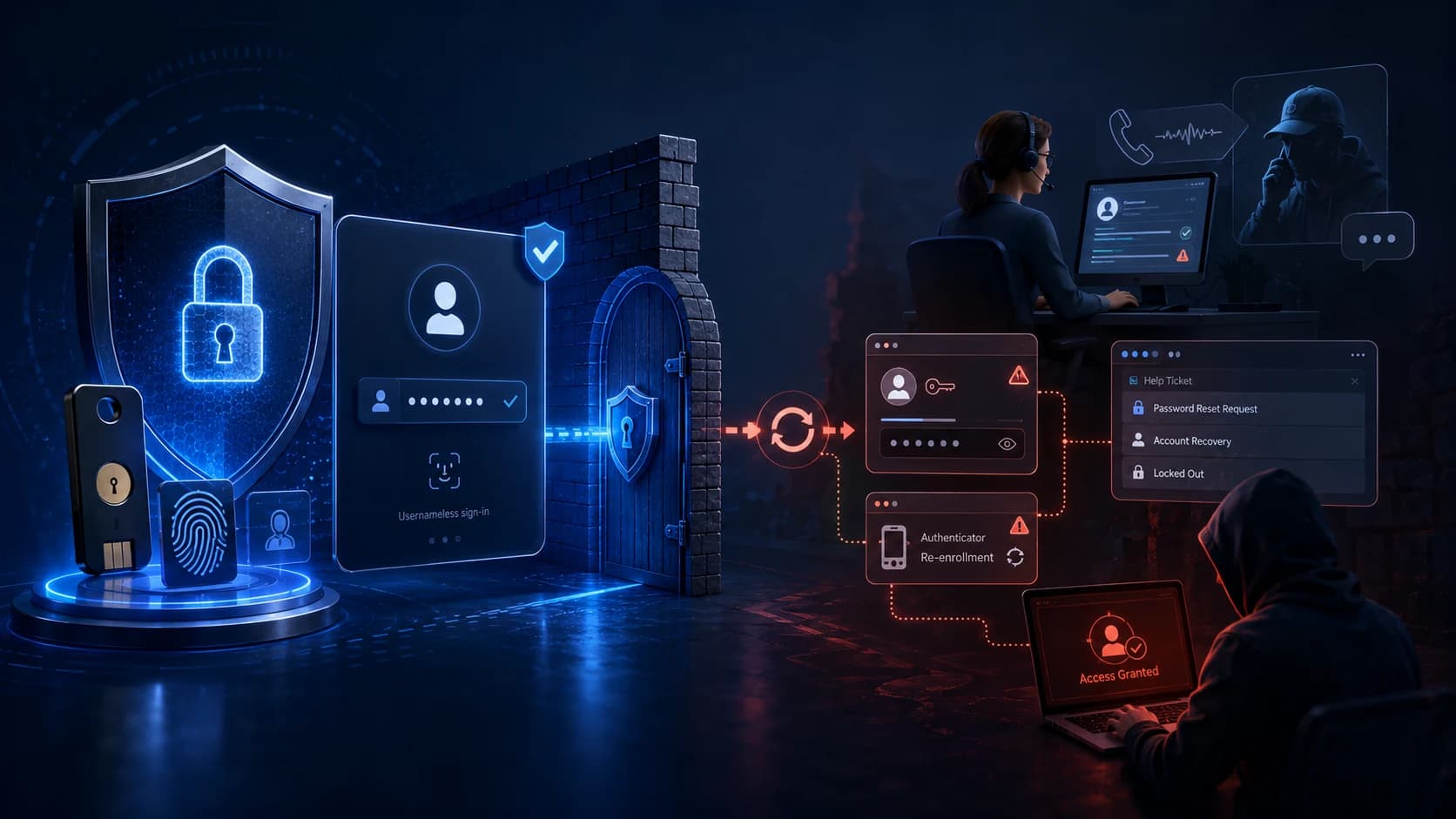
Phishing-resistant MFA is the right answer for the front door. It does not protect the recovery channel, which is where the 2026 attacks are landing.

When one-time passwords still hold up in 2026, when they don't, and the phishing-resistant alternatives that have replaced them for high-impact use cases.

What the Stryker attack revealed about device-dependent MFA — and what phishing-resistant authentication actually means in an era of AiTM session theft.

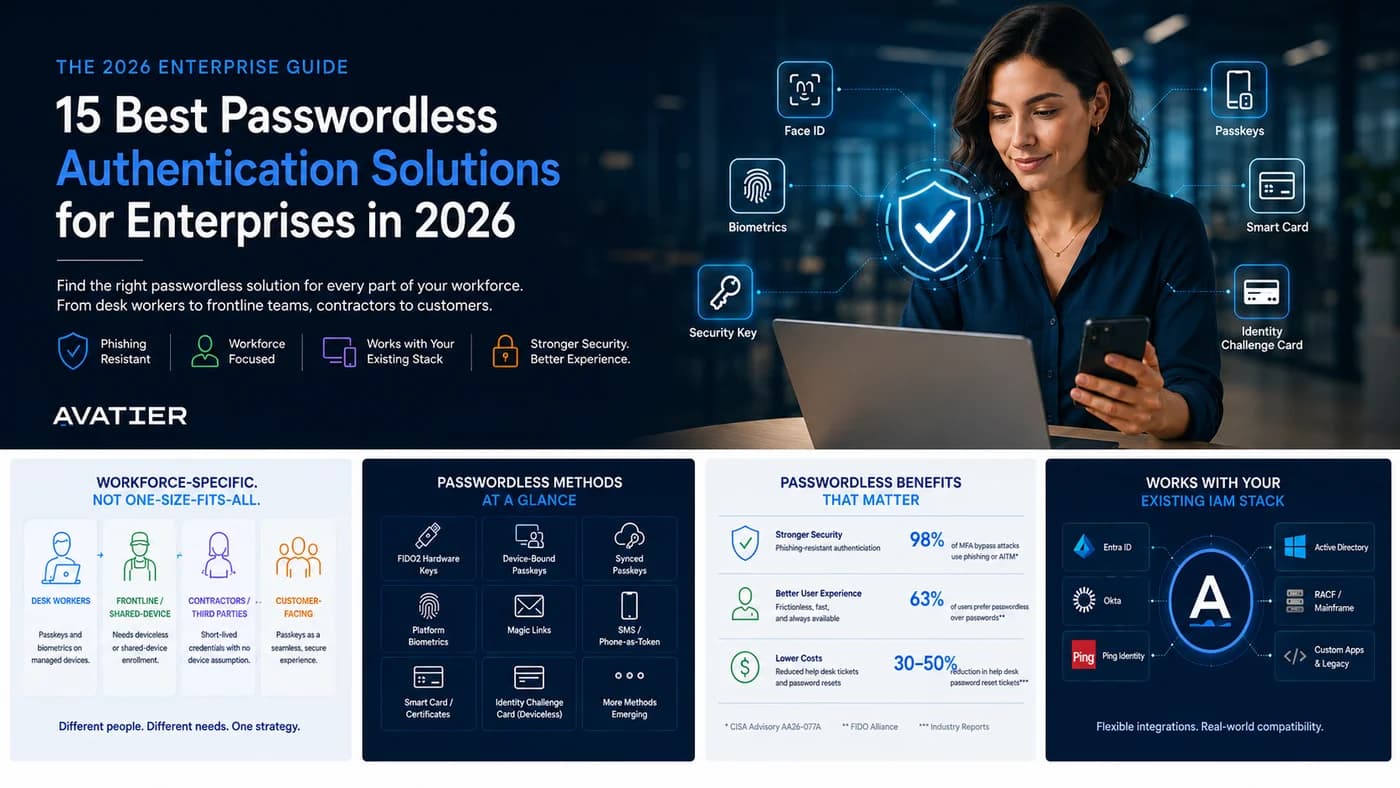
A 2026 buyer's guide to enterprise passwordless authentication, segmented by workforce type. Compare 15 vendors across desk, frontline, contractor, and customer use cases.

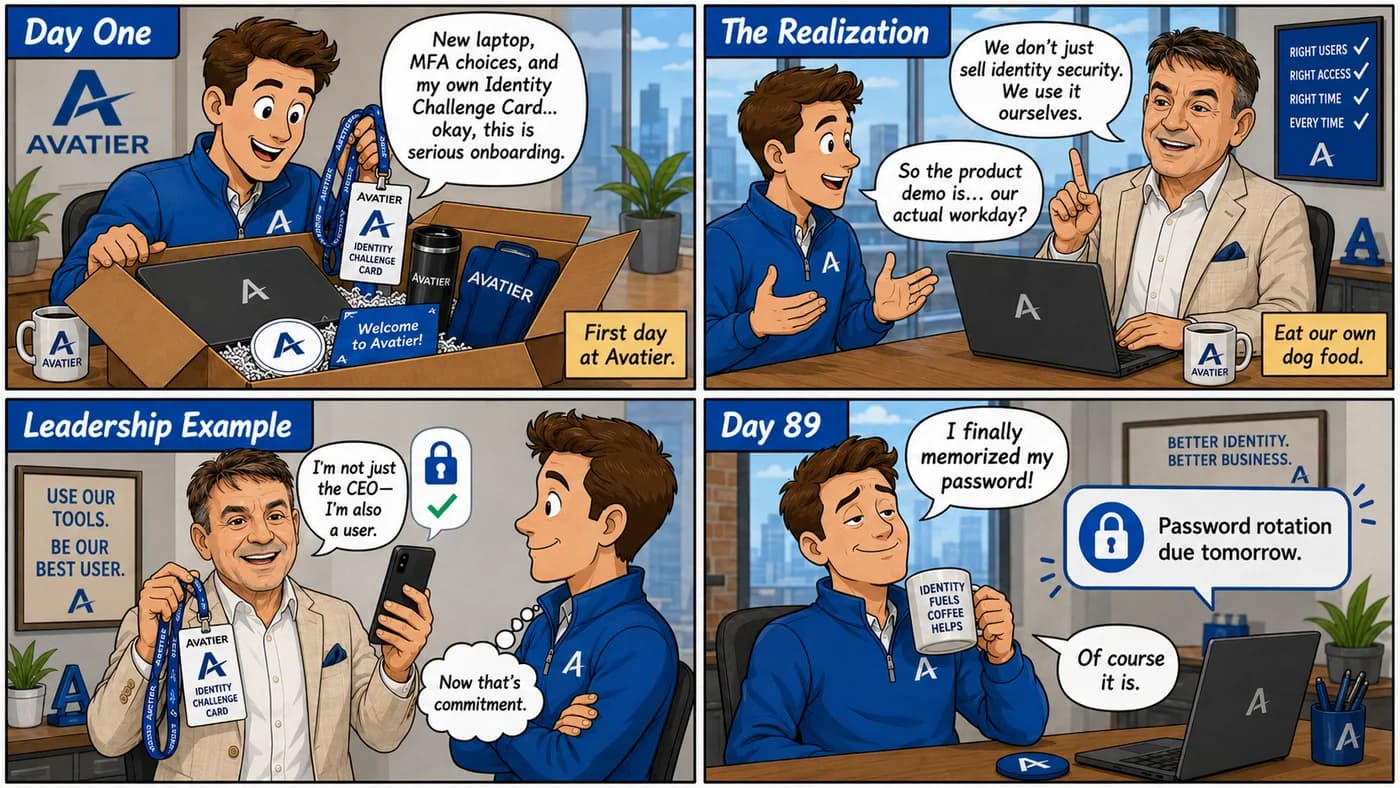
Why Avatier uses its own identity products internally — and why Microsoft, Rippling, and other SaaS leaders are doing the same with their own toolchains.